Lighting plays a huge role in making a bathroom feel comfortable and inviting.
Have you ever walked into a bathroom and felt like the lighting was too harsh, too dim, or just not right? And you want to know the best light color temperature for bathroom?
Here’s where light color temperature comes into action.
In this comprehensive guide, I will give you the best knowledge about LED light color temperature and also discuss 3000K vs 4000K LED color temperature for Bathrooms.
I will also give you some best tips that will improve the overall ambiance of your space as well.
Let’s Dive Right in!
Understanding Color temperature
Before moving on to find the best LED light color temperature for bathroom. It’s important to know what color temperature is?
You have noticed some LED Lights emit warm, yellowish glow, while others give off a cool, bluish tone. This is actually the color temperature of that LED light.
It is measured in Kelvin (K). I know it might sound technical, But think of it like the “mood” that the light sets in a room.
Lower Kelvin values, around 2700K, create a cozy and warm atmosphere, much like traditional incandescent bulbs.
On the other hand, higher values, around 5000K, produce bright and energizing light, similar to daylight. So, the color temperature of LED lights can range from 2000K to 5000K.
Basics of LED color temperature
There are usually three categories of LED color temperature ranging from 2000K to 5000K.
It ‘s warm, neutral and cool LED light color temperature.
Let’s Discuss each of them a little bit.
Warm Light
These LED lights color temperature mostly range between 2000K to 3000K.These are gentle and soft kinds of LED lights with a warm, reddish-yellowish color. These are not too bright and feel relaxing. You’ll often find these in comfy places like bedrooms and living rooms. Warm light makes things look inviting and is perfect for creating a cozy atmosphere.
Neutral Light
Neutral light is a balanced light, not too warm and not too cool. It sits in the middle, showing colors as they really are. On the Kelvin scale, which measures light temperature, neutral light is around 3500K to 4500K. It’s often used in places like offices or kitchens because it’s clear and straightforward.
Cool Light
Cool light brings a fresh and energetic vibe with a bluish tint. On the Kelvin scale (which measures light temperature), cool light falls between 5000K to 6500K. It’s like the bright light of a clear day and is used in places like offices and hospitals where focus and alertness are important. Cool light is like a perky friend that keeps you awake and attentive.
| Aspect | Warm Light (2700K-3000K) |
Natural Light (4000K-5000K) |
Cool Light (5500K-6500K) |
|---|---|---|---|
| Ambiance | Cozy and relaxing | Balanced, neutral | Bright and energetic |
| Task Performance | Suitable for relaxation | Accurate color rendering | Enhances focus and visibility |
| Color Rendering | Slightly lower CRI (80-85) | Good CRI (85-90) | Good CRI (85-90) |
| Room Perception | Creates a warm, intimate atmosphere | Creates an open and clean feeling | Makes the space feel larger |
| Time of Day | Suitable for evening and nighttime | Suitable for daytime and well-lit areas | Energizing, suitable for mornings |
| Aging Eyes | Comfortable for older individuals | Neutral for all age groups | Might be harsh for some older people |
| Design Style | Traditional, cozy | Versatile, modern | Contemporary, clinical |
| Energy Efficiency | Generally energy-efficient | Generally energy-efficient | Generally energy-efficient |
| Dimmability | Maintains warm feel at lower intensity | Offers flexibility in various settings | Maintains a bright feel even when dimmed |
| Best Use | Bedrooms, living rooms, relaxation areas | Kitchens, bathrooms, task-oriented areas | Offices, workshops, areas needing focus |
Importance of Choosing the Right Color Temperature
Have you ever felt uncomfortable walking into a bathroom with harsh, clinical lighting? That’s probably because the color temperature wasn’t chosen thoughtfully. The right color temperature can significantly impact your mood, comfort, and even how you perceive yourself. It’s like choosing the perfect filter for your bathroom – one that enhances the ambiance and makes you feel great.

Best Light color temperature for Bathroom
Now let’s get into the real question of the 3000K vs 4000K battle. This is a point where more of house owners think whether they should use 3000K LED color temperature light or 4000K LED color temperature light
The warm Ambiance of 3000K
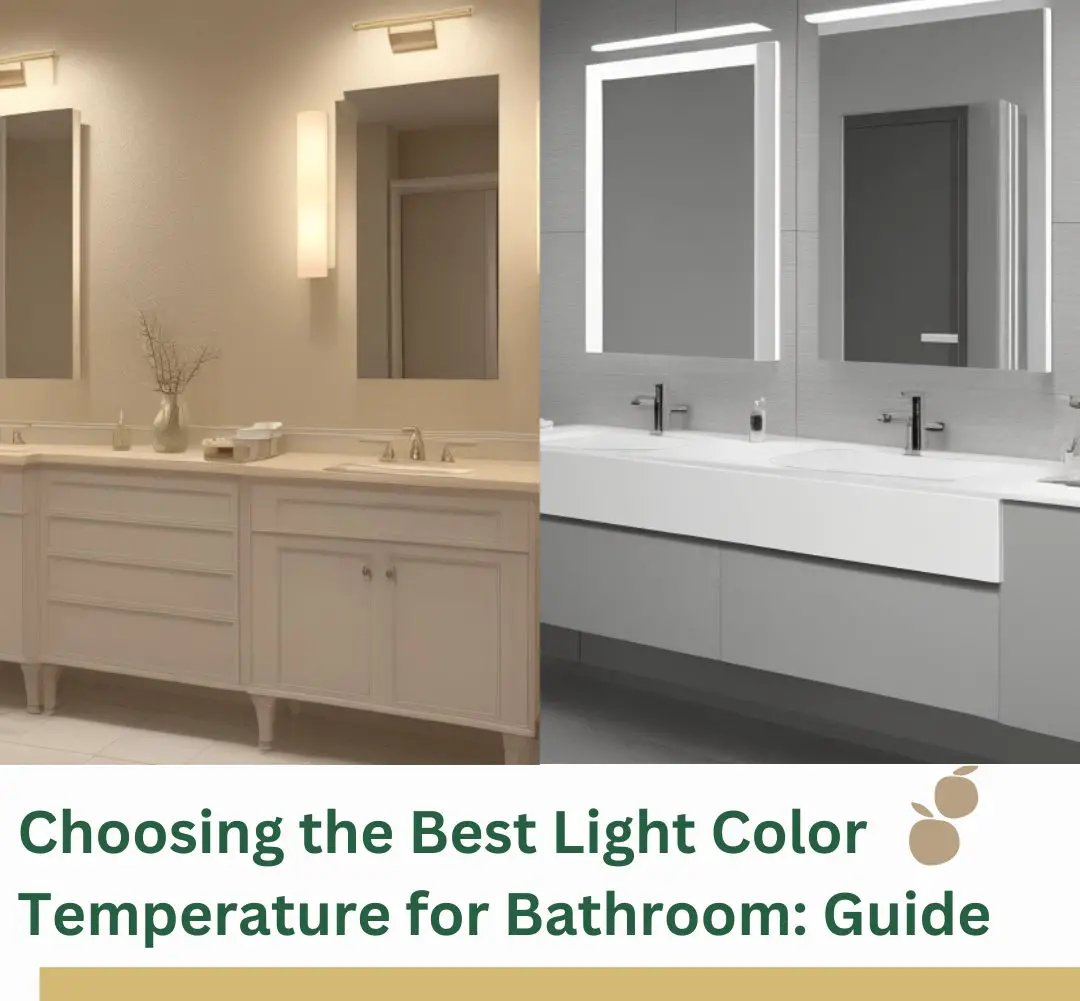
If you’re aiming to create a cozy and inviting atmosphere in your bathroom, 3000K is your go-to color temperature. This form of warm and golden illumination beautifully imitates the soft embrace of a sunrise or sunset.
It becomes the ideal companion for those moments of early mornings or late nights when your heart seeks relaxation and tranquility.

4000K LED Lights: Crisp and Cool
4000K LED lights exude a brighter and crisper illumination. Think of the invigorating and fresh sensation you get during a clear day. These lights are ideal for bathrooms where tasks like shaving, makeup application, or reading labels require more focus and precision.

Bathroom Lighting Needs
Consider how you use your bathroom the most. Is it primarily a space for relaxation and rejuvenation, or is it a functional area where you complete tasks? Understanding your bathroom’s primary purpose will help you determine which color temperature aligns better with your needs.
Factors to Consider
There are some factors that you should consider and will help you to find the best LED color temperature and also help you select between 3000K vs 4000K. These following Factors should be considered while choosing the optimal color temperature for the bathroom.
Complementing Bathroom Colors
The color temperature should harmonize with your bathroom’s color scheme. Warm lighting complements earthy tones(typically includes warm and muted shades of brown, green, gray, and beige.), while cool lighting enhances modern, minimalist designs
Personal Preference:
Consider your personal preference and the overall design and color scheme of the bathroom. Warm white light (2700K-3000K) tends to be more relaxing and inviting, while cool white light (3500K-5000K) is energizing and provides a more modern feel.
Color Rendering:
Color rendering index (CRI) indicates how accurately a light source can display colors. For tasks like makeup application, a higher CRI is important to ensure accurate color representation. Look for a CRI of 80 or above.
Room Size and Layout:
Consider the size and layout of your bathroom. If it’s a small space, cooler light can make it feel more open, while warmer light can make it feel cozier. If the bathroom has separate areas like a shower, vanity, and bathtub, you might use different color temperatures for each zone based on their functions.
Avoiding Glare and Harsh Shadows
The positioning of your LED fixtures matters. Ensure they’re not directly above mirrors, which can cause shadows on the face. Soft, diffused lighting from the sides helps eliminate harsh shadows.

Dimmability:
In the case of LED lights that can be dimmed, you have the flexibility to adjust the intensity of the light in accordance with the time of day or the mood you are in.
Energy Efficiency:
There is no doubt that LED lights are known for their high energy efficiency. Color temperatures that are cooler generally require more energy to produce than those that are warmer.
Balancing Brightness and Coziness
Achieving the right balance between ample illumination and a cozy atmosphere is essential. Dimmer switches can be a game-changer, allowing you to adjust the intensity based on your mood and activity.
Optimal LED Light Bulb Color for Bathroom Vanity
For a bathroom vanity, the ideal LED light bulb color temperature falls within the range of 3500K to 4000K, which is commonly referred to as neutral white. This color temperature strikes a balance between warm and cool tones, closely resembling natural daylight.
Benefits of Neutral White LED Light Bulbs
- Accurate Makeup Application: Neutral white lighting mimics natural sunlight, ensuring that your makeup looks flawless both indoors and outdoors.
- Enhanced Visibility: This color temperature provides sufficient brightness without being overly harsh, allowing you to see clearly and avoid any missed spots during your grooming routine.
- Complements Various Skin Tones: Whether you have a warm or cool skin undertone, neutral white lighting complements a wide range of complexions, ensuring that you always look your best.
Personalization Based on Vanity Design
While neutral white is generally a versatile and flattering choice, you can also consider the design and color scheme of your bathroom vanity area.
Modern and Minimalist:
If your vanity area follows a modern and minimalist design, neutral white LED light bulbs will seamlessly integrate with the clean lines and sleek surfaces.
Classic and Traditional:
If your bathroom vanity has a more classic or traditional design, you can still opt for neutral white lighting. However, you might want to consider fixtures and shades that add a touch of elegance to the space.
Right Light Color Temperature for Bathroom mirror
For the best lighting around your bathroom mirror, 4000K is a recommended color temperature. This falls within the range of neutral white, providing a balanced illumination that closely resembles natural daylight. Neutral white lighting ensures that your reflection appears as accurate and true to color as possible.

Placement of Light Fixtures
To minimize shadows and achieve even lighting, consider placing light fixtures on both sides of the mirror rather than above it. This setup helps eliminate harsh shadows on your face, providing more flattering and functional illumination.
Consider the Mirror’s Size and Style
The size and style of your bathroom mirror should also influence your light bulb choice. For larger mirrors, ensure that the chosen bulbs provide ample coverage without creating overly bright spots.
Additionally, consider the design of your mirror and bathroom—choose light fixtures that complement the overall aesthetic.
Maintenance and Lifespan of LEDs
LEDs have a longer lifespan compared to traditional bulbs. This means fewer replacements, reduced maintenance, and a lasting lighting solution for your bathroom.
Conclusion
The LED color temperature in your bathroom isn’t just about lighting; it’s about crafting an experience. From setting the mood to enhancing the space’s visual appeal, each factor mentioned above contributes to transforming your bathroom into a sanctuary.
FAQs
Can I use the same LED color temperature for all my bathrooms?
Yes, you can, but consider the specific purpose of each bathroom. Different color temperatures suit different activities and moods.
Will warm white lighting make my bathroom feel smaller?
No, warm white lighting can actually make a space feel cozier. Using mirrors strategically can help create an illusion of more space.
Are LED bulbs difficult to install?
Not at all. LED bulbs are designed to fit into standard light fixtures. If you’re uncertain, you can always consult a professional.
Can I change the color temperature of my LEDs?
Some LED fixtures come with color-changing options, but most are designed for specific color temperatures. Make sure to check before purchasing.
Do LED bulbs emit harmful radiation?
No, LED bulbs emit very little UV radiation and are considered safe for regular use. They’re a healthier lighting option compared to traditional incandescent bulbs.