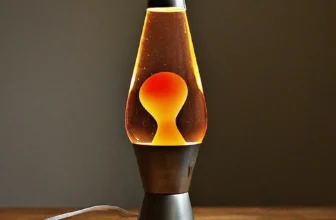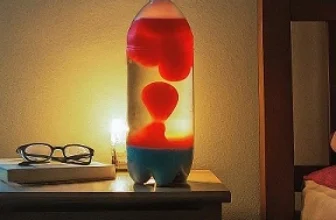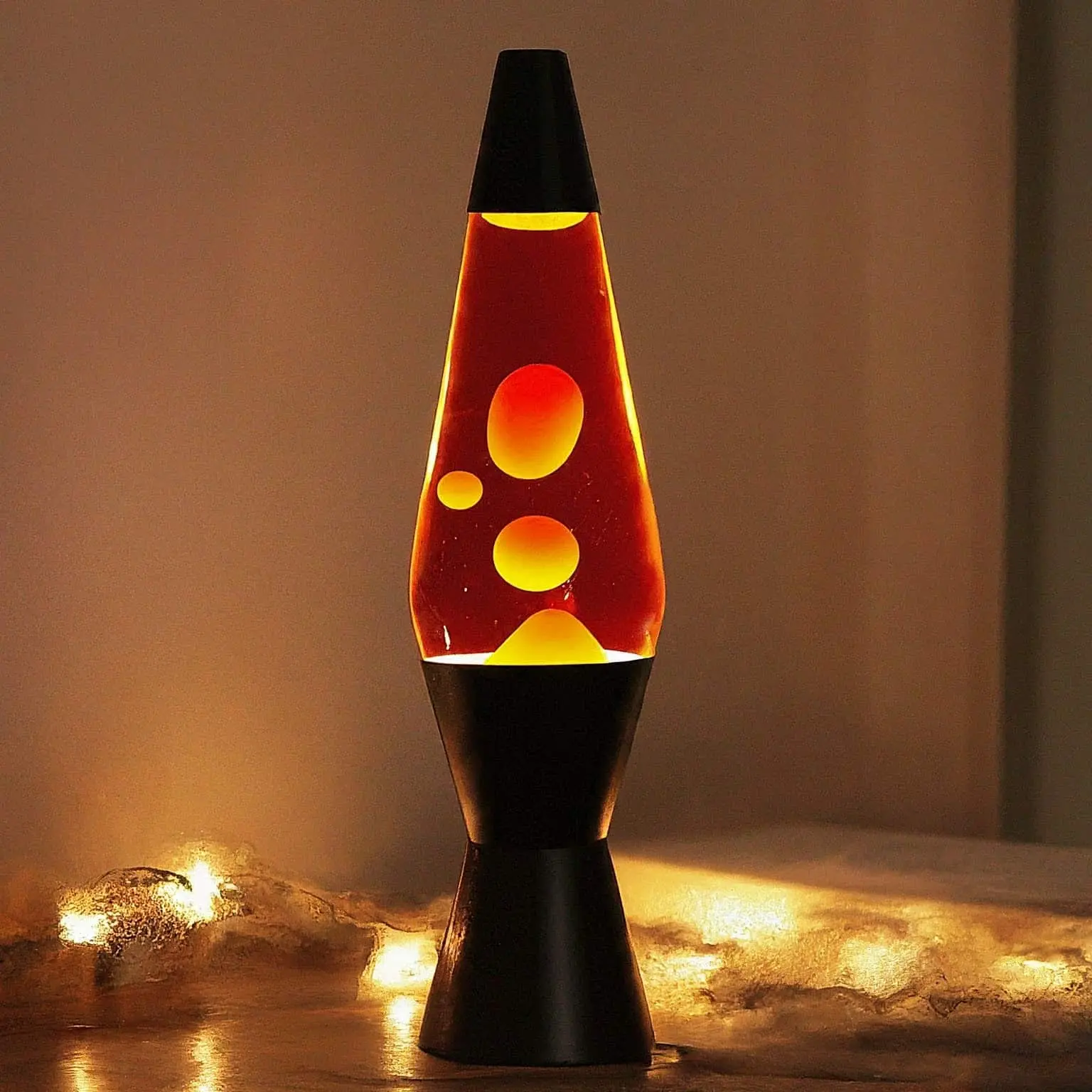
Lava lamps have been popular in homes and offices for decades due to their fascinating flow and calming glow. However, some users may be concerned about their safety, especially the risk of fire. I will explain can a lava lamp catch on fire or not, answering common questions and providing valuable information to ensure safe and answering common questions and providing valuable information to ensure safe and enjoyable use.
Can Lava Lamps Catch on Fire?
While highly unlikely, lava lamps, like any electrical appliance, can pose a fire risk under certain circumstances if not used and maintained properly. Here are the safety precautions for using Lava Lamps.
- Never leave a lava lamp unattended while operating.
- Place the lamp on a stable, heat-resistant surface away from flammable materials like curtains, carpets, or bedding. This includes furniture made of synthetic materials, as they can melt or ignite at lower temperatures than natural fibers.
- Don’t touch the lamp when it’s hot, as the glass container and liquid can reach high temperatures. The liquid inside a lava lamp can reach temperatures exceeding 140°F (60°C), which can cause burns.
- Always unplug the lamp before replacing the bulb or cleaning it. This helps prevent accidental activation and potential electrical hazards.
- Regularly inspect the cord and plug for any damage. Look for signs of fraying, cracking, or discoloration, which could indicate potential electrical issues.
- Dispose of the lamp responsibly if it breaks or malfunctions. Do not attempt to repair a damaged lamp yourself. Instead, dispose of it according to local regulations to avoid potential safety hazards.
Are lava lamps a fire hazard?
Lava lamps do generate heat to melt the waxy substance inside, creating the iconic flow. To understand it more deeply we have to see the composition of Lava Lamp.
Composition of Lava Lamp:
A lava lamp consists of three main components:
Glass container: This transparent or translucent heat-resistant container holds the liquid and wax mixture.
Liquid: This clear or translucent liquid is typically a combination of mineral oil and water, sometimes with added dyes for a colored effect.
Wax mixture: This colored waxy blob is the key element that creates the mesmerizing flow. It usually consists of:
- Paraffin wax: This provides the basic structure and melts at the operating temperature of the lamp.
- Carbon tetrachloride (older models): This denser substance helped the wax rise and fall in older lamps. However, due to environmental concerns, it is no longer used in most modern lava lamps.
- Other additives: These might include dyes for color, and thickening agents to control the flow rate of the wax.

The above two materials have no fire hazard but the main paraffin Wax in the mixture is a flammable hydrocarbon. However, the amount of wax mixture in the Lava Lamp is very low. So, this heat, however, is generally within safe limits and isn’t typically enough to ignite surrounding materials if the lamp is used correctly. The typical operating temperature of a lava lamp is around 140°F (60°C), which is well below the ignition point of most common household materials.
Do Lava Lamps Explode?
The chance of a lava lamp exploding during regular use is highly unlikely due to various factors. Lava lamps are not pressurized, allowing pressure to equalize with the air. The glass container is heat-resistant and can handle the lamp’s operating temperature.
How often do lava lamps explode?
It is possible for glass to break, or for the glass to fire if it is misused, damaged, or manufactured improperly. It is unlikely that Lava Lamps will cause a fire hazard when used properly.
Reported Incidents of Lava Lamp Fires:
The majority of lava lamp fires occur due to improper use or due to making them at home:
Safety Guidelines for Operating Lava Lamps:
Always follow the manufacturer’s instructions for safe operation. These instructions typically outline recommended use times, proper placement, and maintenance tips. In addition to the general safety precautions mentioned earlier, some manufacturers may advise against using the lamp in certain environments, such as children’s rooms or near pets.

Safer Brands or Types of Lava Lamps?
While safety features may vary slightly between brands, adhering to general safety guidelines and purchasing from reputable manufacturers is crucial for minimizing any potential risks. Look for brands with a history of safety compliance and positive user reviews regarding product quality and safety features.
Overheating and Fire Risks:
Overheating can indeed increase the risk of fire. However, most modern lava lamps are equipped with internal thermostats that prevent them from reaching excessively high temperatures. These thermostats automatically shut off the lamp if it starts to overheat, providing an additional layer of safety.
Recalls and Safety Warnings:
The U.S. Consumer Product Safety Commission (CPSC) maintains a database of product recalls, including those related to lamps. Regularly checking for recalls for your specific lamp model, either through the CPSC website or by contacting the manufacturer directly, is recommended.
How to Care for a Lava Lamp?
- Don’t attempt to modify the lamp or its components. This can introduce safety hazards and may void the manufacturer’s warranty.
- Keep it away from direct Sunlight.
- Use only the recommended wattage bulb provided by the manufacturer. Using a higher-wattage bulb can generate excessive heat and increase the risk of fire.
- Clean the lamp with a damp cloth only; avoid harsh chemicals. Using harsh chemicals can damage the lamp’s components and potentially create electrical hazards.
Fire-Resistant Materials:
The glass container of a lava lamp is not fire-resistant. You will ask why I lied it’s not a lie the glass can resist the heat of wax at its optimum temperature. As mentioned earlier, the heat generated during normal operation is typically not enough to cause ignition. Additionally, the liquid inside the lamp, while containing flammable components, is contained within a sealed glass container, further reducing the risk of fire.
Built-in Safety Features (continued): These features can provide an extra layer of protection against potential overheating and fire hazards. Check the manufacturer’s specifications for specific features offered by your lamp model.
Placing Lava Lamps for Safety:
- Choose a well-ventilated location away from drafts or direct sunlight. This helps maintain consistent heat distribution and prevents the lamp from overheating.
- Never place the lamp on an uneven or unstable surface. This can cause the lamp to tip over, potentially leading to breakage and fire hazards.
- Keep the lamp out of reach of children and pets. The hot glass container and liquid can cause burns, and the lamp cord can be a choking hazard.

Alternatives to Lava Lamps:
Several alternative products offer similar visual effects without the use of heat or open flames. These include:
- Fiber optic lamps: These lamps use fiber optic cables to transmit light, creating various color effects.
- LED lamps: LED lamps can be programmed to display various color patterns and animations, offering a dynamic and energy-efficient alternative.
- Projection lamps: These lamps project images or patterns onto walls or ceilings, creating a unique and engaging visual experience.
Regulations and Standards:
Lava lamps, like most electrical appliances, are subject to safety regulations set by various organizations. In the United States, the Underwriters Laboratories (UL) establishes safety standards for lamps and other electrical products. Look for the UL mark on your lava lamp, indicating it has been tested and meets these safety standards.
Temperature Fluctuations and Safety:
While minor temperature fluctuations in a room are unlikely to significantly impact the safety of a lava lamp, extreme temperature changes can potentially stress the glass container or electrical components. It’s recommended to avoid placing the lamp in environments with drastic temperature changes, such as unheated garages or attics.
Liquid Flammability:
The liquid inside a lava lamp typically contains paraffin wax and other hydrocarbon compounds that are flammable under certain conditions. However, these components are contained within a sealed glass container and don’t pose a significant fire risk under normal operating conditions.
User Reviews and Brand Safety:
While user reviews can offer anecdotal insights into the perceived safety of specific lava lamp brands, it’s crucial to remember that individual experiences may not be representative of the entire product line. Prioritize verifiable information from reputable sources like the manufacturer’s website or official safety agencies like the CPSC when making informed decisions about product safety.
Light Bulb Fire Risk:
The light bulb in a lava lamp is a potential fire hazard if improperly used. Always use the recommended wattage bulb specified by the manufacturer. Using a higher-wattage bulb can generate excessive heat and increase the risk of fire. Additionally, regularly inspect the lamp cord and plug for any signs of damage, and replace the bulb if it burns out or malfunctions.
Studies and Research:
While there may be limited research specifically focused on the safety of lava lamps, general research on electrical appliance safety can provide valuable insights. Additionally, the CPSC website may offer safety reports or incident summaries related to lava lamps, which can be helpful resources for staying informed.
Common Causes of Decorative Lamp Fires:
Several factors can contribute to fires involving decorative lamps, including lava lamps:
- Improper use: Leaving the lamp on for extended periods, placing it near flammable materials, or using a damaged lamp significantly increases the risk of fire.
- Electrical issues: Faulty wiring, damaged cords, or loose connections can create electrical hazards and sparks, potentially igniting nearby materials.
- Overheating: Overheating due to improper use, inadequate ventilation, or malfunctioning components can lead to fire.
- Manufacturing defects: In rare cases, manufacturing defects in the lamp or its components can create fire hazards.
Conclusion:
By following the safety guidelines mentioned throughout this article and being mindful of potential risk factors, you can enjoy the mesmerizing glow of your lava lamp with confidence. Remember, prioritize safety by adhering to manufacturer instructions, following proper use and maintenance practices, and remaining vigilant for any signs of damage or malfunction.
FAQs
1. Can lava lamps catch fire?
While very unlikely, lava lamps, like any electrical appliance, can pose a fire risk under certain circumstances, such as:
- Leaving them on for extended periods (overnight or for several days)
- Placing them near flammable materials like curtains, carpets, or bedding
- Using a damaged lamp with a faulty cord, bulb, or glass container
2. How can I use a lava lamp safely?
Always follow the manufacturer’s instructions and adhere to these general safety principles:
- Place the lamp on a stable, heat-resistant surface away from flammable materials.
- Never leave the lamp unattended while operating.
- Unplug the lamp before replacing the bulb or cleaning.
- Use only the recommended wattage bulb.
- Regularly inspect the cord and plug for damage.
- Dispose of a broken or malfunctioning lamp responsibly.
3. Are there any alternative products that provide similar visual effects without the use of heat or flames?
Yes, several alternatives offer similar visual experiences:
- Fiber optic lamps: Use fiber optic cables to transmit light, creating various color effects.
- LED lamps: Can be programmed to display various color patterns and animations.
- Projection lamps: Project images or patterns onto walls or ceilings.
4. What are some common causes of fires involving decorative lamps?
Several factors can contribute to these fires, including:
- Improper use: Leaving the lamp on for extended periods, placing it near flammable materials, or using a damaged lamp.
- Electrical issues: Faulty wiring, damaged cords, or loose connections.
- Overheating: Due to improper use, inadequate ventilation, or malfunctioning components.
- Manufacturing defects: In rare cases, defects in the lamp or its components.
5. Where can I find reliable information about lava lamp safety?
- The manufacturer’s instructions are the primary source of information.
- The U.S. Consumer Product Safety Commission (CPSC) website provides safety information and recalls related to lamps.
- Look for safety certifications like the UL mark on your lava lamp.