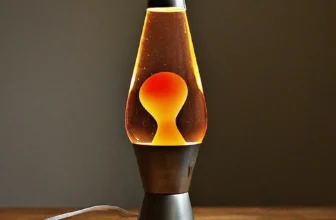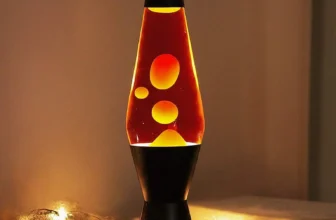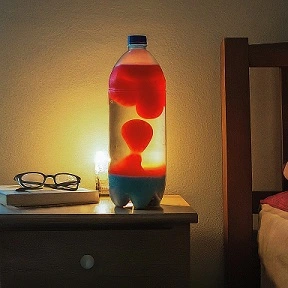
Creating a lava lamp in a bottle is an exciting and educational DIY project that adds a touch of mesmerizing science to your home. With commonly available materials and just a few easy steps, you can make an enchanting lava lamp that offers hours of visual entertainment. Let’s understand how to make a lava lamp in a bottle.
Supplies to make lava lamps:
- Empty and clean plastic water bottle
- Water
- Cooking oil (vegetable or mineral oil works best)
- Food coloring (optional)
- Alka-Seltzer tablet (or similar effervescent tablet)
How do you make a lava lamp in a bottle
- Prepare your bottle: Ensure your chosen bottle is thoroughly clean and dry.
- Create the layers:
- Create the layers by filling the bottle about halfway with water.
- Add a few drops of food coloring (optional) to personalize your DIY lava lamp’s hue.
- Carefully pour cooking oil into the bottle, leaving some space at the top (around an inch).
- Witness the magic! Here comes the fun part! Drop a small piece of the Alka-Seltzer tablet into the bottle and observe the mesmerizing reaction. The effervescence from the tablet will cause the oil droplets to rise and fall, mimicking the flow of a real lava lamp.
Exploring Variations:
- Experiment with different densities: Try using different types of oil, water, and food coloring to see how they affect the movement of the “lava.” Vegetable oil and mineral oil tend to work best due to their immiscibility with water. Experiment with different water and food coloring combinations to personalize the look of your lamp.
- Add a touch of sparkle: For an extra touch of whimsy, consider adding a small amount of glitter or other safe embellishments to the water before adding the oil. Just ensure the chosen embellishments don’t react with the other materials.
Can we make a lava lamp with baking soda?
No, unfortunately, baking soda cannot be used to create a traditional lava lamp effect. While baking soda is a common household ingredient with interesting chemical reactions, it doesn’t possess the necessary properties to replicate the movement and behavior of a lava lamp.
Here’s why baking soda wouldn’t work:
Density: Baking soda is heavier than both water and oil. When mixed, it will tend to sink to the bottom and not exhibit the buoyant rise and fall observed in a lava lamp.
Chemical Reaction: The classic lava lamp effect relies on the density difference between oil and water, and the reaction between an Alka-Seltzer tablet and water. Baking soda doesn’t react with water in a way that would create the desired buoyant movement.
Tips if Lava Lamp not Working?
- If the lava lamp effect is weak: Try using a smaller piece of the Alka-Seltzer tablet.
- If the water and oil mix excessively: Ensure you use enough oil and leave enough empty space at the top of the bottle. The oil and water should form distinct layers for the lava lamp effect to work effectively.
Safety First:
- Adult supervision is crucial when using effervescent tablets like Alka-Seltzer.
- Remember, this is a fun experiment, not a toy. Do not drink the contents of the bottle.
Make lava lamps without Alka-Seltzer tablets:
While Alka-Seltzer tablets offer a quick and easy solution for a DIY lava lamp, there are alternative methods you can explore with readily available household items. However, it’s crucial to emphasize conducting thorough research and prioritizing safety before attempting any alternative methods. Here are some potential options:
1. Mentos and Dish Soap:
Ingredients: Clear bottle, water, vegetable oil, dish soap, Mentos candies.
Process: Fill the bottle halfway with water. Add a few drops of dish soap (avoid excessive amounts as it can create too much foam). Carefully pour vegetable oil to fill the remaining space, leaving some room at the top. Drop a single Mentos candy into the bottle and observe the reaction. The Mentos will cause the dish soap and water mixture to fizz and rise through the oil, creating a temporary lava lamp effect.
Here is an experiment for this.
Safety Note: This method can create a significant amount of foam. Ensure the bottle is large enough to accommodate the reaction and avoid overfilling. Adult supervision is crucial, and never ingest the contents of the bottle.

2. Salt and Water:
Ingredients: Clear bottle, water, vegetable oil, salt.
Process: Fill the bottle about 3/4 full with water. Add salt and stir until it dissolves (avoid oversaturating the water). Carefully pour vegetable oil to fill the remaining space, leaving some room at the top. Observe the movement. The saltwater will be denser than the oil and sink to the bottom, while the oil forms a top layer. Gently shake the bottle to create some initial mixing, and observe the slow, undulating movement of the water droplets within the oil.
Here is an experiment for this.
Safety Note: This method creates a less dramatic effect compared to Alka-Seltzer, and the movement is slower. Ensure the bottle is tightly sealed to avoid leakage if shaken.
Conclusion
Congratulations! By following a few simple steps and using readily available materials, you have created your very own mesmerizing DIY lava lamp. This engaging project not only provides a captivating decoration for your room but also gives you an insight into the fascinating world of science.
Frequently Asked Questions
1. Can I use any type of oil for my lava lamp?
Not exactly. While vegetable and mineral oil work best due to their immiscibility with water, other oils like baby oil or olive oil might mix with water, hindering the lava lamp effect.
2. How long will the lava lamp effect last?
The fizz from the Alka-Seltzer tablet will eventually stop, and the oil droplets will settle. However, you can simply add another small piece of the tablet to reignite the mesmerizing movement.
3. Is it safe to leave the lava lamp on overnight?
While not technically dangerous, it’s not recommended to leave any electrical appliance unattended for extended periods. Additionally, leaving the lamp on for too long can overheat the bulb or liquid.
4. How can I dispose of the lava lamp contents safely?
Once you’re finished enjoying your creation, dispose of the contents responsibly. Pour the liquid down the drain with plenty of running water to avoid clogging. Dispose of the bottle and any remaining solids in the trash.
5. Are there any other ways to create a DIY lava lamp?
Yes! Explore alternative methods using safe and effective combinations of common household items like salt, dish soap, and water. Always conduct thorough research before attempting alternative methods to ensure safety and effectiveness.