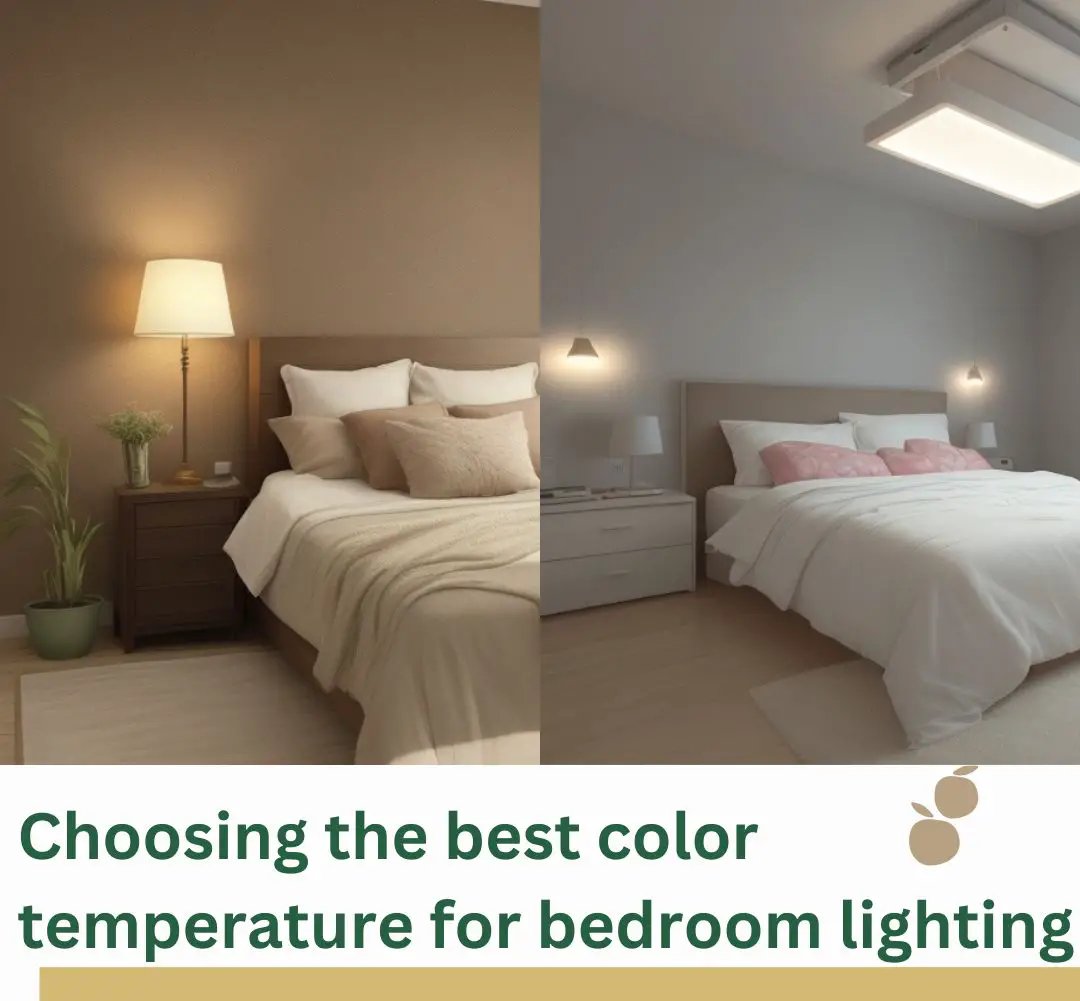
Lighting is crucial to establishing a relaxing and inviting ambiance in your bedroom. The color temperature of a room’s lighting can significantly influence its mood and environment.
But here comes a question. What is the best color temperature for bedroom lighting?
LED color temperature can heavily influence your overall indoor lighting or bedroom lighting experience, as it gives you control to change the mood of the overall space. It can change your mood to one of focus or relaxation.
In this article, we’ll go over all you need to know about finding the optimal color temperature for your bedroom lighting.
Let’s Dive into it!
Understanding color temperature
Before we move on to the best color temperature for Bedroom lighting, We should know what LED Color temperature is.
LED color temperature, or color temperature, refers to the warmth or coolness of light. It is measured in Kelvins (K).
Lower Kelvin values (around 2700K) indicate warm, yellowish light, while higher values (5000K and above) represent cooler, bluish light.
Imagine the cozy glow of a candle (warm) compared to the brightness of daylight (cool).
Now we have a basic understanding of Color temperature. Let’s move on to it’s types.
Different Color Temperatures and Their Effects
Warm White (2700K–3000K):
This is like a cozy, gentle hug from your favorite blanket. You know that nice feeling when you’re snuggled up in your bed, reading a book, or watching a movie? That’s the kind of mood warm white light brings. It’s soft and relaxing, perfect for winding down after a long day. You’ll often find this kind of light in bedrooms and living rooms where people want to feel comfortable and calm.
Must read: What is the best color temperature for kitchen lighting?
Cool White (3500K-4100K):
Imagine this light as your cheerleader, giving you a boost of energy. If you’re working on a project, reading, or doing something that needs your brain to be sharp, cool white light is your buddy. It’s like a cup of coffee for your eyes! This light helps you stay focused and alert, making it great for offices or places where you need to concentrate.
Daylight (5000K-6500K):
Think of daylight as a sunny day, even if you’re indoors. This light is like a breath of fresh air that wakes you up and gets you ready for action. It’s awesome for tasks that need your full attention, like studying, cooking, or doing detailed work. Daylight makes everything look clear and vivid, just like when the sun is shining outside.
Importance of Bedroom Lighting
Bedroom lighting serves both practical and emotional purposes. Daily tasks such as reading, dressing, and cleaning necessitate adequate lighting. At the same time, proper lighting may create a tranquil environment that encourages relaxation and sleep.
The color temperature of the light affects the emotional atmosphere of the bedroom. Warmer colors such as yellow and orange evoke feelings of warmth and coziness, while more fabulous colors such as blue and green create an energizing and invigorating atmosphere.
| Color Temperature | Description | Activities | Atmosphere | Preferences |
|---|---|---|---|---|
| 2700K | Warm White | Relaxation | Cozy | ✅ |
| 3000K | Soft White | Tasks | Balanced | ✅❌ |
| 3500K | Neutral White | Work | Efficient | ❌ |
| 4000K | Cool White | Focus | Invigorating | ❌ |
Color Psychology
Colors have an emotional and behavioral impact on us. Warm colors, like red and yellow, are like a cozy hug from a friend; they make you feel warm and connected. Imagine a joyful sun or a comforting fireplace, that’s what these colors bring.
On the flip side, we’ve got the cool colors—blues and greens. Think of a calm ocean or a quiet forest, that’s the vibe they give off. It’s like they gently tell your brain to relax and find some peace.
So, when you’re deciding on the colors for your bedroom, remember that it’s not just about how pretty they look on the wall. It’s about the kind of emotions they whisper to you as you wind down for the day. If you’re after a snug and friendly feel, go for those toasty reds and sunny yellows.
But if you want a space where your mind can take a breather and unwind, those serene blues and soothing greens might be your go-to. Your room’s color scheme can be your secret mood magician!
Factors to Consider for Bedroom Lighting
Natural Lighting Conditions
Start by thinking about how much natural light your bedroom gets. If your room has big windows that let in lots of sunlight, you can go for lights that are on the cooler side in terms of color. These lights can complement the daylight. But if your room doesn’t get much natural light, then warmer lights can make up for the lack of sunlight and create a cozy atmosphere.
Activities and Tasks
Consider what you do in your bedroom. If you like to read or work in there, then lights with cooler colors and a bit more brightness could be better. They can help you stay focused. On the other hand, if you mainly use your bedroom for relaxing, then warmer, softer lights would be more soothing.

Personal Preference and Style:
What you like and the style of your bedroom is really important. Do you enjoy the feeling of warm, gentle light that wraps you up, or do you prefer the clean and modern look of more excellent light? Your lights should match what you enjoy and how you’ve decorated your bedroom.
Furniture and Decor:
Take a look at your bedroom’s furniture and decorations. If you have a lot of wooden furniture or natural, earthy colors, then warm lighting can make those elements stand out and create a cozy vibe. But if your room has more of a sleek, modern design with simple colors, then cooler lighting might go better with that style.
Bedroom Sizes:
The dimensions of your bedroom are also important. Softer lighting can make a smaller area feel more open and cozy. You have more options in larger bedrooms. You might use a combination of lights to highlight different places, utilizing brighter lights where you need more concentration and ambient lighting where you want a more relaxed vibe.

Must read: How to choose the best color temperature for bathroom.
Color of Walls and Desired Atmosphere:
The color of your bedroom walls might influence how lighting appears. Light reflects off the walls, altering the overall mood. Lighter-colored walls can reflect light better and make the room feel brighter. If they are darker, they may absorb more light, producing a more intimate setting. Consider the mood you want to create – warm, tranquil, invigorating, or something else – and select lighting that matches.
Creating the Right ambiance for your bedroom
Selecting the appropriate lighting to fit the mood you want to achieve while using LED light color temperature to create the right environment in your bedroom. Here’s how you may use different color temperatures to create the desired ambiance:
Warm white lighting
Choose LED bulbs or light fixtures with color temperatures between 2700K and 3000K. This series emits a soft, warm white light similar to that of incandescent lights. It’s perfect for generating a relaxing and calm atmosphere. Set these lights near your bedside table, atop wall sconces, or within floor lamps to offer a calming glow.
Cooler Lighting
To create an active and productive environment in your bedroom, choose LED lights with a color temperature of 4000K to 5000K. This spectrum produces a cooler, more neutral white light, which may boost alertness and focus. This type of lighting is perfect if you intend to use your bedroom as a workstation or fitness area. Consider installing brighter LED panels or adjustable task lighting to achieve this effect.
Managing Multiple Color Temperatures with Layered Lighting
Color temperatures can add depth and variation to your bedroom lighting. As an illustration:
On bedroom lamps or above pendants, warm white lights (2700K to 3000K) should be utilized. This creates a peaceful and relaxing environment that is beneficial for relaxation.
In your desk or study corner, choose cooler white lighting (4000K to 5000K). This will help you stay focused and attentive while working or studying.
Use color-changing LED strips to add accent lighting around bookcases, under headboards, or around the edges of mirrors. The color temperature can be changed depending on your mood and time of day.
Pros and Cons of Different Color Temperatures for Bedroom Lighting
| Color Temperature | Pros | Cons |
|---|---|---|
| 2700K | ✔ Warm and cozy ambiance | ❌ Might not be suitable for tasks |
| 3000K | ✔ Balanced for tasks | ❌ Not ideal for relaxation |
| 3500K | ✔ Crisp and efficient | ❌ Might lack an inviting atmosphere |
| 4000K | ✔ Energizing and great for focus | ❌ Not conducive to winding down |
By considering the pros and cons of each color temperature, you can make a more informed decision about the lighting that suits your bedroom’s needs and your personal preferences.
Finding the best color temperature for bedroom lighting.
Before selecting the ideal color temperature for your bedroom, let’s examine the common options available:
2700K – Warm White
2700K is the perfect, or close to perfect, Color temperature for your bedroom. Here are some of the following reasons:
- 2700K offers a warm and cozy ambiance reminiscent of traditional incandescent bulbs.
- 2700K color temperature is suitable for relaxation, reading, and winding down before sleep.
- It looks good with the traditional earthy colors in your bedroom.
Pro Tip:
If your bedroom is more like that modern design and has some contrasting colors, try to avoid the 2700K LED color temperature.
3000K: Soft White
3000K is Slightly cooler than 2700K, and 3000K provides a balance between warmth and functionality.
- It’s great for tasks like getting ready in the morning or watching TV in bed.
- It provides a bright light without being too bright.

3500K: Neutral White
3500K strikes a neutral tone that is crisp and efficient. This color temperature is suitable for activities like working, studying, or applying makeup.
- This type of lighting is a little too blue for a calm environment.
- They can be irritating to the eyes and may interfere with your sleep.
- They look great in bedrooms with more contemporary or modern design.
4000K: Cool White
At 4000K, the light becomes more incredible and energizing. It’s suitable for tasks that require focus, such as reading, writing, or working on projects.
- 4000K is too bright and is just suggested for task-oriented spaces like workspaces or offices.
- It emits a lot of blueish and cooler light.
- This can be irritating in the bed area.
Conclusion
I highly recommend using the v2700K color temperature for your bedroom lighting. This particular color temperature creates a warm and cozy atmosphere that is perfect for winding down and relaxing after a long day. Not only does it provide a comforting ambiance, but it also adds a touch of sophistication to your space. Give it a try and see how it transforms your bedroom into a cozy sanctuary.
FAQs about Bedroom Lighting
Q1: What color temperature is best for winding down at night?
For relaxation, warmer temperatures around 2700K to 3000K are ideal, as they promote a calming environment.
Q2: Can I use daylight bulbs in my bedroom?
While daylight bulbs are excellent for tasks, they might be too stimulating at night. Opt for warmer tones in the evening.
Q3: Are LED bulbs the best choice for bedroom lighting?
LED bulbs are energy-efficient and come in various color temperatures, making them a versatile choice for different needs.
Q4: How can I make my bedroom lighting more romantic?
Dimmable lights with a warm color temperature can create a romantic ambiance by providing soft and intimate lighting.
Q5: Should I solely rely on natural light for my bedroom?
While natural light is beneficial, supplementing with artificial light, especially during the evening, helps maintain a consistent atmosphere.