When you’re aiming to create a warm and inviting living room, there’s a bunch of stuff to think about, like, What is the best color temperature for living room? From how you arrange your furniture to the colors you put on the walls, every little detail matters. One thing that’s super important but often gets forgotten is lighting.
Having the right kind of lighting can totally transform your living room into a cozy and comfortable space. But hey, there are so many lighting choices out there, right? How do you figure out the best kind of light for your living room?
We’re going to walk you through all the important stuff you need to know. I’ll answer questions like: What is the best color of light for a living room? What temperature of light works best? What color of light should you have in your living room?
So, let’s jump right in and brighten up this topic!
Understanding Color Temperature
Light temperature is like the personality of the light—it’s all about whether it feels warm and cozy or cool and bluish. We measure it in Kelvin, where lower values mean warm vibes like a sunset, and higher values are more like bright daylight.
Understanding light temperature is important because it totally changes how your living room feels. Lower Kelvin values create a cozy atmosphere, while higher ones give you a more alert, awake vibe. So, picking the right light temperature is like picking the mood you want for your living room!
Creating Different Ambiances
Think about when you walk into a living room and it feels cozy and relaxed, like a warm hug from a friend. That’s because of the soft, warm lighting in the room. It’s like having a bunch of gentle, golden lights around you. This kind of light helps your body and mind calm down after a busy day. It’s like a signal to your brain that says, “Hey, it’s time to relax and chill.”
Cozy Ambiance
Now, let’s imagine a different room. This one feels bright and invigorating, almost like a sunny morning. That’s because of the bright, cool lighting. It’s like having a splash of refreshing light that wakes you up. This type of light makes you feel more awake and alert, which is great when you need to get things done, read, or even have a lively chat with friends. So, warm light is like a soft, gentle friend that helps you wind down and feel cozy, while cool light is like that energetic buddy who gets you all pumped up and ready to tackle tasks or have some fun.
Cool Ambiance
The cool thing is, you can use different types of light to create the mood you want in a room. Want a calm and peaceful atmosphere for a movie night or a romantic dinner? Go for warm lighting. Need to study, work, or have a game night? Cool lighting can help keep you awake and engaged. Just like picking the right music for different situations, picking the right lighting sets the tone for how you feel in a space. It’s like magic that you can control with the flip of a switch!
What is the Best Color Temperature for Living Room
Warm Lighting
Imagine you’ve had a busy day, and all you want is to come home and unwind in your living room. Well, the secret to crafting the perfect relaxation haven lies in the type of lighting you choose. It’s like painting your space with light to set the mood just right.
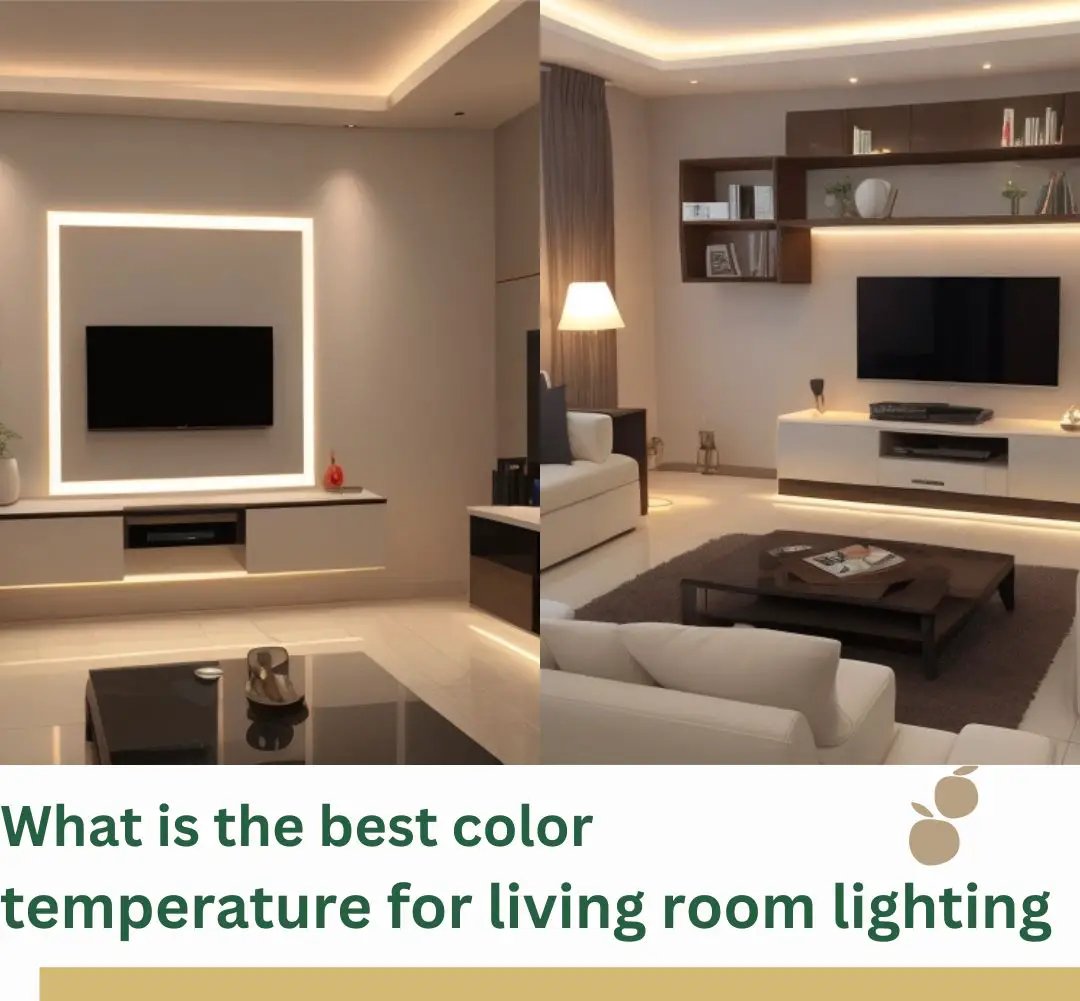
When you’re aiming for ultimate relaxation, warm light is your best friend. You know that beautiful, soft glow you see during a sunset? That’s the kind of vibe we’re talking about. Opting for light with a temperature around 2700K to 3000K hits the sweet spot. It’s like inviting the coziness of a setting sun into your room.
| Light Temperature | 2700K (Warm) | 3500K (Neutral) | 5000K (Cool) |
|---|---|---|---|
| Color Tone | Warm, Yellowish | Balanced | Cool, Bluish |
| Mood/Ambiance | Cozy, Relaxing | Versatile | Bright, Energetic |
| Suitable Activities | Reading, Relaxing | Work, Socializing | Task-oriented, Productivity |
| Furniture/Wall Colors | Warmer colors complemented | Versatile for various colors | Crisp contrast with lighter colors |
| Similar to | Sunset/Sunrise | Daylight | Overcast Sky |
| Ideal for | Movie nights, Unwinding | Multi-purpose spaces | Studying and active tasks |
| Recommended Placement | Living room, Bedroom | Living room, Home office | Kitchen, Bathroom |
This warm light temperature creates an ambiance that soothes your senses and calms your mind. It’s the kind of light that gently wraps you in comfort, making you feel like you’re wrapped in a cozy blanket. It’s tailor-made for those quiet moments when you want to read your favorite book or have a serene movie night.
Must Read: Choosing the Best Light Color Temperature for Bathroom.
So, by choosing this warm light, you’re not just lighting up your space; you’re crafting an experience. You’re telling your brain and body that it’s time to let go of the day’s stress and just be. It’s the perfect way to create a sanctuary where you can truly relax, recharge, and enjoy the simple pleasures of life.

Cool Lighting
Imagine waking up in the morning, ready to conquer the day. Well, the right kind of light can give you that extra push you need. When you’re aiming to kickstart your energy and stay focused, cool light is like your personal cheerleader. Think of it as a light that’s wide awake and full of energy, just like you.
Picture this: a light temperature ranging from 3500K to 4100K. It’s like bringing the refreshing feeling of daylight indoors. This cool light isn’t just any light; it’s like having a splash of energy right in your living room. It’s perfect for those busy mornings when you need to get things done or for times when you’re studying or working.
Neutral Lighting
Now, let’s talk about balance—the art of having the best of both worlds. Sometimes, you want a little bit of relaxation and a pinch of alertness. That’s where neutral light comes in, with a temperature of around 3200K to 3500K. It’s like the diplomat of lighting, creating an environment that suits different moods and activities.
This neutral light isn’t too warm or too cool; it’s just right. It’s like the “Goldilocks” of lighting, finding that sweet spot that’s not too relaxing and not too energizing. It’s versatile enough to help you wind down after a long day while still keeping you awake enough to enjoy a conversation or tackle a project.
So, whether you’re aiming for a burst of morning energy, a well-balanced ambiance, or a relaxing evening, understanding the magic of different light temperatures can transform your living space into whatever you need it to be. Just like having a palette of colors to paint with, you now have a palette of lights to set the perfect mood!
Factors to Consider
Room Functionality and Mood
The purpose of a room heavily influences the ideal light temperature. For instance, a kitchen where food preparation takes place might benefit from brighter, cooler lighting to enhance visibility and alertness. On the other hand, a bedroom should feature warmer, softer lighting to create a calming and cozy atmosphere conducive to relaxation.

Impact on Colors
The choice of light temperature can dramatically affect how colors appear in a room. Warmer light tends to make colors appear richer and more vibrant, while cooler light can make colors seem crisper and closer to their true shade. When choosing light temperature, consider the colors of your furniture, walls, and decor to achieve the desired visual effect.
Must Read: Choosing the best color temperature for bedroom lighting
Natural Light Interaction
The amount of natural light a room receives should also guide your light temperature choice. If a room receives ample sunlight, selecting a light temperature that complements natural light can harmonize indoor and outdoor lighting, creating a seamless transition between the two.
Personal Preference
Every individual has a unique perception of light temperature. Some might prefer the cozy and nostalgic feel of warm light, while others gravitate toward the freshness of cooler light. It’s important to consider your personal preference and the emotional response you want to evoke in a given space.
Time of Day
The time of day can influence your choice of light temperature. In the morning, cooler light can help increase alertness and energy levels, while warmer light in the evening promotes relaxation and winding down.
Task Lighting Needs
Different activities require varying levels of illumination. Tasks that demand focus, such as reading or working, benefit from brighter and cooler light. Areas designated for relaxation or socializing, on the other hand, call for softer, warmer light.
| Temperature | Preferred for the living room |
|---|---|
| 2700K (Warm) | Preferred for creating a cozy and inviting ambiance in the living room. Perfect for movie nights, reading, and unwinding after a long day. The warm, yellowish glow adds a touch of comfort and relaxation. |
| 3500K (Neutral) | Preferred for living rooms that serve multiple purposes. The balanced and versatile nature of neutral light makes it suitable for various activities, including work, socializing, and relaxation. It strikes a good balance between warmth and energy. |
| 5000K (Cool) | Preferred for living rooms where productivity and task-oriented activities take place. The cool, bluish light mimics natural daylight, promoting alertness and focus. It’s a great choice for spaces used as home offices or study areas within the living room. |
Energy Efficiency
Energy-conscious choices are also important when selecting the light temperature. LED bulbs, for instance, come in a range of temperatures and are known for their energy efficiency, making them an environmentally friendly option.
Lighting Fixtures and Design
The style of lighting fixtures you choose can influence the perception of light temperature. Some fixtures diffuse light, creating a softer and more balanced ambiance, while others may intensify the directional nature of light, affecting how it interacts with the space.

Flexibility and Dimming
Opting for adjustable lighting solutions provides flexibility in changing the mood of a room. Dimmable lights allow you to control the light intensity and, consequently, the perceived temperature.
This allows for better control over the ambiance and atmosphere of a space, and it is especially beneficial in areas where the lighting needs to be adjusted depending on the task, such as in a study or home office.
Dimmable lights also help reduce energy consumption as they allow you to adjust the brightness according to your needs.
Psychological Impact
Light temperatures can have psychological effects on occupants. Cooler light can enhance concentration and focus, while warmer light fosters a sense of comfort and intimacy.
Aging and Vision
As we age, our eyes’ sensitivity to light changes. Older individuals may prefer warmer light as it reduces glare and improves visibility.
Cultural and Aesthetic Considerations
Cultural and aesthetic preferences also play a role in light temperature choices. Different cultures and design trends may favor specific light temperatures to align with their ideals of beauty and harmony.
Experimentation and Adaptation
Choosing the perfect light temperature often involves experimentation. Don’t hesitate to try different temperatures and observe how they transform your space. Over time, you’ll develop a better sense of what works best for each room.
| Light Temperature | Preferred for the living room |
|---|---|
| 2700K (Warm) | Preferred |
| 3500K (Neutral) | Preferred |
| 5000K (Cool) | Only Preferred for productivity-focused spaces within the living room |
Choosing the Right Light Bulbs
Now that you know the significance of light temperature, let’s talk about light bulbs. LED bulbs are a fantastic choice for living rooms. They’re energy-efficient, long-lasting, and offer a wide range of color temperatures to suit your preferences. Always check the packaging for the Kelvin rating before purchasing.

Setting the Mood with Dimmers
Don’t underestimate the power of dimmers. They allow you to adjust the light intensity and, consequently, the mood of the room. Dimmers are particularly useful for creating a cozy atmosphere during movie nights or adding brightness for social gatherings.
Conclusion
Finally, determining the optimal light temperature for your living space requires evaluating the mood you want to create as well as the activities you’ll be doing. Whether you prefer the comforting warmth of lower temperatures or the energizing brightness of higher degrees, the correct light may convert your living room into an environment that is tailored to your needs. Keep in mind that it’s not just about lighting up a place; it’s about generating an experience. So, experiment with different light temperatures to find out what works best for you.
Frequently Asked Questions
Q1: What is the ideal temperature for a living room?
The ideal temperature for a living room largely depends on your preferences and the activities you engage in. If you value relaxation, warmer temperatures around 2700K are perfect. For productivity and energy, cooler temperatures in the range of 3500K to 4100K are more suitable.
Q2: What is the best light color for a living room?
The best light color varies based on the ambiance you want to achieve. Warm light (2700K to 3000K) creates a cozy feel, while cooler light (3500K to 4100K) adds energy. Neutral light (3200K to 3500K) strikes a balance between the two.
Q3: What color temp for a living room provides the most flexibility?
Neutral light with a color temperature of 3200K to 3500K offers the most flexibility. It’s suitable for relaxation, work, and socializing, making it a versatile choice.
Q4: Can I use different light temperatures in the same room?
Absolutely! You can use multiple light sources with varying temperatures to create layered lighting. For example, warm ceiling lights and cooler task lights can coexist harmoniously.
Q5: Do light bulbs affect energy consumption?
Yes, they do. LED bulbs are energy-efficient compared to traditional incandescent bulbs. They consume less electricity while providing a range of light temperatures to suit your needs.