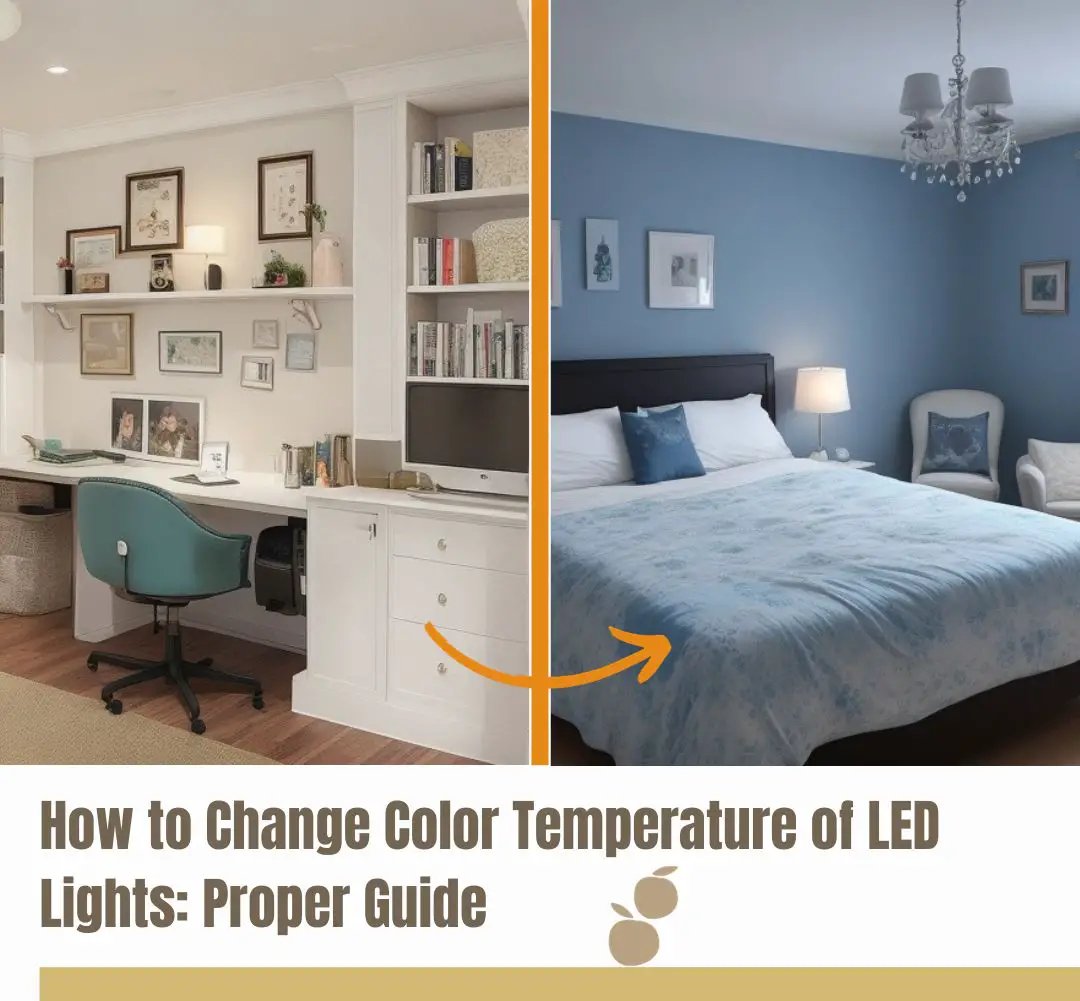
Nowadays, lighting can completely alter the ambiance of a room based on its color. You can make it cozy and warm or super bright and energetic. But a question, Can we change color temperature of LED light? The simple answer is yes, We can. But how to change color temperature of LED lights?
No worries. In this article, I will provide you with a complete tutorial on how to change color temperature of LED lights.
Let’s jump into it.
Understanding color temperature
In order to understand how to change the color temperature of LED lights, it is important to first understand color temperature. Color temperature can be referred to as the warmth or coolness of a color and is measured in Kelvin (K). This helps describe the appearance of light, specifically how warm or cool it appears. Higher Kelvin values result in cooler and bluer light, while lower Kelvin values result in warmer and yellower tones.
Importance of Color temperature
The color temperature of any LED light is very important, as it helps us create an optimal environment in our spaces. Spaces like bathrooms, kitchens, study rooms, and living rooms must have an optimal feel. This feeling and environment can only be created by using different color temperatures in the right places.
For Example, When you enter your bedroom and see bright, shiny LED lights, it can be challenging to relax. On the other hand, if you’re working, warm and cozy LED lights can make you feel more relaxed, which can cause you to lose focus.
12 Ways on How to Change Color Temperature of LED Lights
Now, it’s time to learn how to adjust the color temperature of LED lights. I will provide you with 12 ways to adjust LED light color temperature.
Using color filters.
Color filters are thin sheets of plastic that you place over the bulb, and they work by blocking certain colors of light while allowing others to pass through. So, if you want warmer, more yellow-toned light, you can use a filter that blocks out cooler, bluer tones. And if you want cooler, bluer light, you can use a filter that blocks out warmer, yellower tones. It’s a simple and easy way to customize your lighting to your liking.
Change the color of the surface.
Changing the surface color temperature is like giving your LED lights a little wardrobe makeover. You’re not messing with wires or doing anything tricky. Instead, you’re using things like color filters or covers to alter how the light looks, which I will talk about later.
Think of it this way: If you put a warm, orange color over your LED, it’ll make the light seem cozier and more like a sunset. But if you go for a blueish color, it’ll give you that crisp, energetic daylight vibe.
In this case, you’re just putting a filter on the surface of the LED by painting it different colors to change the color temperature of the LED light. It’s simple, and it can be quite fun to experiment with different colors to get just the right mood. So, it’s a cool way to adjust the color temperature of your LED lights without any complicated tech stuff!
Distance between LED Light
Changing the distance between LEDs is a simple yet effective way to adjust the lighting in a space. When you move LEDs closer together, the light they emit blends more, making it appear warmer and softer. On the other hand, if you spread them out, the light becomes cooler and more diffused, similar to natural daylight.
So, by playing around with the spacing between LEDs, you can fine-tune the color temperature and ambiance of your lighting setup to match your preferences. It’s like a quick DIY trick to customize your lighting without any special tools or equipment
Modifying the Material Inside LED Bulbs
Changing the inside material of LED light bulbs refers to altering the components within the bulb to influence its color temperature. The material inside an LED bulb, like the phosphors used, can impact the quality of light it produces. By using different materials, you can create LED bulbs that emit warmer or cooler light.
For example, by choosing specific phosphors like YAG (Yttrium Aluminum Garnet), you can make an LED bulb emit warmer, more yellowish light. Conversely, selecting different materials can result in cooler, bluish light. This approach allows you to customize the color temperature of your LED bulbs to match the ambiance you desire in your space. However, it’s a bit more complex and typically requires specialized knowledge and equipment, so it’s not a DIY method for most people.
Carving LED light
Carving LEDs is a unique way to customize the appearance and color temperature of LED lights. Essentially, you’re physically altering the LED’s structure or cover to change how the light is emitted.
By carefully carving or modifying the LED surface, you can create different lighting patterns and effects, which in turn can affect the perceived color temperature of the light. It’s a creative way to achieve distinctive lighting designs, but it requires precision and some DIY skills. So, it’s not the easiest method, but it can yield some fascinating results if done correctly.

Changing the voltage
Changing the voltage of LED lights is a way to control their color temperature. When you adjust the voltage, it directly affects how warm or cool the light appears. Lowering the voltage tends to make the light warmer and cozier while increasing it makes the light cooler and more energizing.
Just be cautious if you’re not experienced in electrical work, as it’s essential to handle it safely.
| Method | Pros | Cons | DIY Difficulty |
|---|---|---|---|
| Color Filters | Easy to use and changeable | Limited color options | Low |
| Changing Surface Color | Versatile and customizable | May require paint and artistic skills | Low |
| Distance Between LEDs | Quick and straightforward adjustment | Limited color temperature range | Low |
| Modifying Material Inside | Precise control over color temperature | Requires specialized knowledge and tools | High |
| Carving LEDs | Creative and unique lighting effects | Requires precision and DIY skills | Moderate |
| Changing Voltage | Direct control over color temperature | Electrical expertise required | High |
| Changing Shape | Versatile and can create specific effects | May require physical alterations | Moderate |
| Dip Switches | Convenient and user-friendly | Limited to bulbs with dip switch feature | Low |
| Light Diffusers | Softens and diffuses light | May reduce overall brightness | Low |
| Reflectors | Controls light direction and spread | Requires proper positioning and shaping | Moderate |
| Dimming Lights | Adjusts perceived warmth | Doesn’t change color temperature directly | Low |
| LED Drivers | Ensures stable and reliable light quality | Requires selecting compatible drivers | Moderate |
| External Light Sources | Complements LED lights for balance | May not provide full color customization | Low |
Changing Shape
The color temperature of LED light also depends on two main things: its shape and its refractive index.
Shape:
By altering the shape of the surface of LED light, we can change its color temperature.
When its shape is pointed, it shines a blueish light, like a clear sky. When it’s a bit rounder, it gives off a warmer, yellowish light, like a cozy fireplace. So, if we want different colors, we change the shape.
Refractive Index:
This is a fancy way of saying how much the light gets bent when it passes through the LED material. It’s like how straw looks bent in a glass of water. By tweaking this “bendiness,” we can make the light come out bluer or yellower.
Use the Dip Switch:
A dip switch is like a secret button on your LED bulb. It’s a tiny switch you can flick to change settings. Some LED bulbs have buttons to let you adjust the color temperature. It’s like having a little remote control for your light.

Use Light Diffusers:
Think of light diffusers as sunglasses for your LED bulb. They scatter the light and make it softer and more even. This can help reduce the harshness of a bright LED and make it feel warmer, like the gentle glow of a lantern.
Utilize Reflectors:
Reflectors are like mirrors for your light. They bounce the light around, and by adjusting their shape and position, you can control how the light spreads and its color temperature. It’s a bit like using a flashlight and moving your hand to direct the beam where you want it.
Do dimming lights change the color temperature?
Dimming lights usually don’t change the color temperature itself. But it can make your eyes perceive the light as warmer because there’s less light to see. It’s like when you lower the volume on your TV, the sound doesn’t change, but it feels softer.
Use LED driver:
If you use a cheap LED driver, it might not provide a steady and consistent flow of electricity to your LED bulb. This can affect the quality of light, making it flicker or change colors unexpectedly. It’s a bit like using a cheap battery that might not power your device properly.
On the other hand, if you invest in a high-quality LED driver, you can be sure that your LED bulb will receive a steady and consistent flow of electricity. This will lead to a higher quality of light, and your LED bulb will last much longer.
Using External light source:
Sometimes, you can use another light source in your room to influence the color temperature. For instance, if you have a lamp with a warm yellow light and an LED bulb with a cool blue light, together they can create a balanced, pleasant atmosphere in your room.
Understanding Correlated Color Temperature (CCT)?
CCT, or Correlated Color Temperature, is a way to describe the color of light produced by a bulb, like an LED. It’s measured in Kelvins (K).
When we talk about changing the color temperature of an LED bulb, we mean adjusting the kind of light it emits. Lower Kelvins, like 2700K, give off a warm, yellowish light, similar to a cozy candle. Higher Kelvins, like 5000K, produce a cooler, bluish light, more like daylight.
So, by changing the CCT, we’re basically choosing between a warm, yellowish light and a cooler, bluish light to suit different situations or preferences. It’s like having a light switch that lets you pick the mood you want in your room.
Different Colors and Their Corresponding Temperatures
Let’s compare different colors of LED lights along with their corresponding temperatures. By knowing these colors and their temperatures, we can not only create the perfect color temperature but also change the color temperature of LED lights accordingly.
- Warm White (2700-3000K): This is like the cozy, inviting light you get from a fireplace or a traditional incandescent bulb. It’s great for creating a relaxed and comfortable atmosphere in your home.
- Cool White (3500-4100K): Think of this as the bright, crisp light you might find in an office or a well-lit kitchen. It’s good for tasks that require focus and clarity.
- Daylight White (5000-6500K): This is like the natural light you see outside on a sunny day. It’s energizing and excellent for spaces where you need to stay alert and active.
- Blue White (>6500K): This is super bright and almost bluish light, similar to what you’d find in hospitals or some commercial settings. It’s great for tasks that require intense concentration.
- Yellow/Amber (<2700K): This is a very warm and cozy light, almost like candlelight. It’s perfect for creating a relaxed, intimate ambiance.
- RGB (Red, Green, Blue): RGB lighting lets you mix these three primary colors to create a whole rainbow of colors. You can customize it to match your mood or decor. Want a soothing purple or a vibrant red? RGB lighting gives you the power to choose any color on the spectrum.
Mistakes to avoid while Changing Color Temperature of LED Lights
Ignoring Safety Precautions:
Safety should be your top priority. Don’t forget to take precautions, like wearing gloves and making sure your hands are dry. Electricity and wet hands don’t mix well.
Rushing the Adjustment:
Take your time when adjusting the color temperature. Don’t rush through the process. It’s better to get it right the first time than to keep fiddling with it.
Not Reading the Manual:
LED lights often come with manuals or instructions. Ignoring them is a common mistake. These manuals can be really helpful, so give them a quick read.
Skipping Testing:
After making adjustments, don’t forget to test the lighting in your space. Sometimes, the changes may not be what you expected, and you’ll need to fine-tune them.

Troubleshooting Tips
LED Lights Not Responding:
If your LED lights aren’t responding when you try to change the color temperature or turn them on/off, here’s what you can do:
- Check the Power: Ensure that the lights have a stable power supply. Sometimes, a loose plug or a tripped circuit breaker can be the culprit.
- Inspect the Remote or App: If you’re using a remote control or a smartphone app to control your LED lights, make sure the batteries are working, and the device is functioning correctly.
- Reboot the Lights: Just like your computer or smartphone, sometimes LED lights need a reboot. Turn them off, wait a few seconds, and then turn them back on.
- Reset to Default: If nothing seems to work, consult your user manual on how to reset the lights to their default settings. This often resolves issues.
Flickering Lights:
Flickering LED lights can be annoying, but these tips can help you address the problem:
- Check the Dimmer: If you’re using a dimmer switch, it may not be compatible with LED lights. Consider replacing it with a dimmer designed for LEDs.
- Loose Bulb: Ensure that the LED bulb is securely screwed into the socket. A loose connection can cause flickering.
- Voltage Compatibility: Make sure your LED lights are compatible with your home’s voltage. Using lights designed for a different voltage can lead to flickering.
- Update Firmware: If your LED lights are connected to a smart system, check for firmware updates. Sometimes, these updates can fix flickering issues.
Uneven Color Distribution:
When you notice uneven color distribution in your LED lights, here’s how you can tackle it:
- Check Placement: Ensure that your LED lights are evenly spaced and distributed throughout the room. Sometimes, uneven placement can lead to inconsistent lighting.
- Clean the Lights: Dust and dirt on the LED bulbs can affect the way light is distributed. Clean the bulbs gently with a soft cloth to remove any buildup.
- Replace Faulty Bulbs: If you have multiple LED bulbs in a fixture, one of them might be faulty. Try replacing individual bulbs to see if that evens out the lighting.
- Consider Diffusers: Depending on your fixture, adding diffusers or covers can help distribute light more evenly. These are often available as accessories for LED lights.
Conclusion
I hope now you know how to change the color temperature of LED lights and can change the LED light color temperature to create different atmospheres. Lower Kelvins (K) yield warm, cozy light, while higher Kelvins provide cooler, energetic lighting.
Methods include using filters, changing surfaces, adjusting spacing, modifying materials, carving LEDs, voltage changes, altering shapes, using dip switches, diffusers, reflectors, quality LED drivers, and combining light sources. Prioritize safety, read manuals, test adjustments, and troubleshoot issues.
Frequently Asked Questions (FAQs)
Can I change the color temperature of all LED lights?
Yes, most LED lights can have their color temperature changed. The method may vary depending on the type of light you have, so it’s best to follow the manufacturer’s instructions or seek professional advice.
Will adjusting the color temperature affect the LED light’s lifespan?
Adjusting the color temperature of an LED light typically doesn’t significantly affect its lifespan. LED longevity is more influenced by factors like LED chip quality and heat management. However, extreme conditions like excess heat or voltage fluctuations can harm LED lifespans, so it’s crucial to operate LEDs within the recommended parameters for optimal durability.
How do I know which color temperature is suitable for my space?
Choosing the right color temperature for your space depends on the intended use and the ambiance you want to create. Here is my guide to choosing the right color temperature for your space.
How to change the color temperature of recessed LED lights?
You can use all the steps to change the color temperature of recessed LED lights.
Can I use a regular dimmer switch to adjust the color temperature?
As I mentioned earlier, No, you cannot use a regular dimmer switch to adjust the color temperature of LED lights. Dimmer switches don’t adjust or change the color temperature of any LED