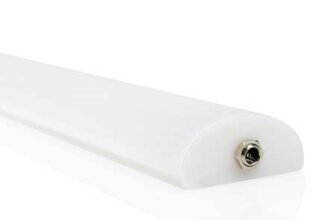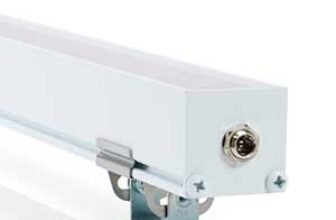
If you are wondering, is it normal for an LED light to get hot? Then you are not alone. LED lights are those cool, energy-saving bulbs we see everywhere nowadays. But sometimes, they can get a little warm to the touch. This might make you wonder: “Is it okay for LED lights to get hot? And why do LED strip lights seem to get warm?”
Well, let’s talk about these LED lights! LED lights are fantastic for saving money and lasting a long time. But here’s the thing: while they’re on, they do produce a bit of heat. Especially those strip lights you might use for decoration or brightening up a space.
We’re here to figure out why these lights warm up and whether it’s something to worry about. So, join me on this journey to learn more about LED lights, why LED lights get hot, and if there’s anything to keep in mind to stay safe and bright!
How LED lights work.
Let’s start with understanding how LED lights work together to understand why LED lights get hot or produce heat.
Actually, in technical terms, LED stands for Light Emitting Diodes. Instead of using filaments and gases, these lights use a tiny component called an emitting diode that creates light when electricity passes through it. This diode is made from semiconductor material. When the electric current flows, it makes the electrons in the semiconductor move around, and as they do, they release energy in the form of light.
But simply, these lights use a tiny component diode which is responsible for emitting light when current passes through it.
Do LED lights Get hot?
Now that we know how LED lights work, it will be easier to understand and answer this question. The simple answer is yes. LED lights, no matter if they are strips or bulbs, produce heat when they are turned on. But this heat is not something to worry about. It is a fact that whenever anything consumes energy, it gets hot.
Because when the current is passed through the diode, it excites the electrons in the diode, which produce light, but at the same time, a small amount of energy is released in the form of heat. So, while LED lights do generate some warmth, it’s an inherent part of their functioning and generally not a problem. Interestingly, LED lights are far more efficient at converting electrical energy into light than traditional incandescent bulbs, generating significantly less heat.
Is it normal for an LED light to get hot?
The heat emitted by LED lights is generally dissipated through the heat sink or by conduction, ensuring they remain within safe operating temperatures. While it’s true that LED lights get warm during use, this inherent warmth is a byproduct of their efficient operation and doesn’t pose notable safety risks.
Comparing Heat Production: LED Lights vs. Traditional Lighting
LED Lights:
Heat Generation:
LED lights produce minimal heat during operation, typically emitting around 10–20% of their energy as heat and converting 80–90% of it into light. This equates to significantly lower heat output compared to traditional bulbs.
Efficiency:
With their high energy efficiency, LEDs consume about 75% less energy than incandescent bulbs and can last up to 25 times longer, contributing to reduced heat emissions.

Heat Dissipation:
LEDs operate at cooler temperatures due to their reduced heat production, often maintaining temperatures around 85–100°F (30–38°C) during use.
Incandescent Bulbs:
Heat Generation:
Incandescent bulbs produce a substantial amount of heat, releasing about 90% of their energy as heat and converting only around 10% into visible light.
Efficiency:
These bulbs are much less efficient, using more energy and emitting more heat for the same amount of light produced compared to LEDs.
Heat Dissipation:
Incandescent bulbs operate at higher temperatures, reaching temperatures averaging between 200 and 300°F (93 and 149°C) during use.
Halogen Bulbs:
Heat Generation:
Halogen bulbs generate heat similarly to incandescent bulbs, with around 80-90% of their energy emitted as heat and 10-20% converted into visible light.
Efficiency:
Halogen bulbs are slightly more efficient than incandescent bulbs, emitting more light and less heat for the same amount of energy used but still significantly less efficient than LEDs.
Heat Dissipation:
Halogen bulbs operate at temperatures comparable to incandescent bulbs, usually reaching temperatures around 250-400°F (121-204°C) during operation.
Comparison
When comparing LED, incandescent, and halogen lights regarding heat production, efficiency, and operating temperatures, distinct differences become evident. LED lights stand out for their remarkable efficiency and minimal heat generation during operation, typically converting 80–90% of energy into light and emitting only 10–20% as heat. This efficiency translates to cooler operation, maintaining temperatures around 85–100°F (30–38°C). In contrast, incandescent bulbs produce substantial heat, releasing about 90% of their energy as heat and converting merely 10% into visible light. Operating at significantly higher temperatures, averaging between 200 and 300°F (93 and 149°C), incandescent bulbs demonstrate lower efficiency and a shorter lifespan, consuming more energy for the same amount of light.
| Aspect | LED Lights | Incandescent Bulbs | Halogen Bulbs |
|---|---|---|---|
| Heat Generation | Minimal (10-20% as heat) | Substantial (Up to 90% as heat) | Significant (80–90% as heat) |
| Efficiency | Highly Efficient | Less Efficient | Moderate Efficient |
| Energy Conversion | 80-90% light, 10-20% heat | 10-20% light, 80-90% heat | 10–20% light, 80–90% heat |
| Lifespan | Long (Up to 25 times longer) | Shorter | Longer than incandescent |
| Operating Temperatures | 85-100°F (30-38°C) | 200-300°F (93-149°C) | 250-400°F (121-204°C) |
Any LED lights that don’t get hot?
Unfortunately, it’s not practical for any electric device, including LED lights, to completely avoid getting hot while consuming energy. Heat generation is an inherent characteristic of the process of energy conversion or transformation from one form to another. Even the most efficient LED lights, designed to minimize heat emissions, cannot eliminate it.
LED technology has made significant strides in optimizing energy conversion efficiency and reducing heat output compared to traditional lighting sources. Manufacturers use advanced designs, efficient heat sinks, and improved thermal management systems to mitigate heat generation. These efforts help in maintaining lower operating temperatures and minimizing the amount of heat emitted, making certain LEDs feel relatively cooler during use.

However, it’s crucial to understand that while specific types of LEDs may feel cooler to the touch, they still generate some amount of heat during operation. Therefore, the notion of LED lights that completely avoid heat production remains impractical due to the fundamental principles of energy consumption and conversion.
Can we Turn ON LED Lights 24/7
Yes, LED lights can be left turned on for extended periods, even 24/7, due to their energy efficiency and minimal heat generation. LEDs are designed to have a longer lifespan compared to traditional incandescent or fluorescent lights, making them suitable for continuous use.
However, it’s essential to consider a few factors when leaving LED lights on constantly:
Energy Consumption:
Even though LEDs are energy-efficient, leaving them on continuously will still consume electricity. While their energy consumption is significantly lower than other types of lights, consider the impact on energy bills when leaving them on constantly.

Lifespan:
While LEDs have a longer lifespan compared to other bulbs, continuously leaving them on might affect their longevity. The lifespan of LEDs is influenced by various factors, including the quality of the bulb, operating conditions, and usage patterns. Running them 24/7 might reduce their overall lifespan.
Heat Dissipation:
Although LEDs produce less heat compared to traditional bulbs, they still generate some warmth during operation. Ensure proper ventilation and avoid enclosing LED fixtures in tight spaces to allow heat dissipation, which can contribute to prolonged lifespan.
In general, you can use LED lights 24/7, but this can shorten their lifespan and may contribute to fluctuations or flickering in the quality of the light.
But here come two questions First can you leave LED lights turned on all day? But the second is Should you do it?
Well, just because I gave you the answer to the first question doesn’t mean that it is the answer to both questions. Let’s think about whether you should do it. Even if LED lights can be turned on all day, it doesn’t mean that you should turn them on unless there is a purpose for leaving them on all day.
Here is why you should turn off the lights when not in use
You know, besides illuminating our lives, the primary purpose of flicking off those lights when we’re not around is to keep some extra cash in our pockets. I mean, those light switches aren’t just miniature buttons; they’re tiny money-saving superheroes! So, while LED lights are pretty cool and can handle a 24/7 gig like seasoned pros, giving them a break when you can just be a financial high-five to your future self. After all, a few pennies saved from not lighting up an empty room might just fund that ‘treat yourself’ moment later on. Think of it as your personal energy-efficient, money-saving, and occasional-room-darkening strategy—all with a touch of practical superhero flair!
Do LED strip lights get hot enough to start a fire
LED strip lights are generally considered safe and unlikely to reach temperatures high enough to start a fire under normal operating conditions. However, like any electrical device, if they are damaged, improperly installed, or used beyond their specifications, there could be a risk of overheating and potential fire hazard.
Proper installation and adherence to manufacturer guidelines are crucial to ensure LED strip lights operate safely. Overloading electrical circuits, using incorrect power sources, or leaving them covered or enclosed without adequate ventilation could lead to heat buildup, which might pose a fire risk.
Generally, LED lights are designed in such a way that they can produce as less amount of heat possible. But, it’s important to follow essential protocols by checking the LED lights daily.
Conclusion
In conclusion, the answer to this question is: Is it normal for an LED light to get hot? Yes, it is completely normal for LED light to get hot as there is always an emission of heat in the process of transferring energy from one form to another. But worry not, for their warmth is simply a side effect of their energy-efficient glow. These lights might just outlast the next cosmic event with their longevity and thrifty energy habits.
When comparing them to their traditional counterparts – the incandescent and halogen bulbs – it’s like watching a sleek sports car zip past a clunky, old wagon. LED lights shine brighter in efficiency, producing more light and less heat. They operate cooler, literally, maintaining temperatures that make them perfect for your space without feeling like the Sahara Desert.
Frequently Asked Question (FAQ’s)
Do LED lights get hot like incandescent bulbs?
LED lights do generate some heat during operation, but they produce significantly less heat compared to incandescent bulbs. While incandescent bulbs emit about 90% of their energy as heat, LEDs convert most of their energy into light, resulting in minimal heat emission.
Can leaving LED lights on continuously cause overheating or fire hazards?
LED lights are generally safe for continuous use, but improper installation or damaged LED fixtures might pose a fire risk. When used within their specifications and installed correctly, LED lights are unlikely to overheat to the point of causing fire hazards.
What factors contribute to LED lights getting warm?
The warmth in LED lights is primarily due to the energy conversion process within the diodes. When an electric current passes through the diode, it excites the electrons, producing light and a small amount of heat as a byproduct. Additionally, LED lights might feel warm due to their efficient heat dissipation mechanisms.
How do LED lights compare to traditional bulbs in terms of heat production?
LED lights outperform traditional incandescent and halogen bulbs in heat production. Incandescent bulbs emit a vast majority of their energy as heat (around 90%), while LEDs convert most energy into light (around 80-90%) and emit only a small fraction as heat (around 10-20%).
Is it safe to leave LED strip lights on for extended periods, such as 24/7?
LED strip lights are generally safe for continuous use, but it’s essential to follow installation guidelines and avoid overloading circuits or improper usage. Properly installed LED strips with sufficient ventilation are unlikely to pose fire hazards when left on continuously.