Have you ever wondered why it’s crucial to choose the right LED color temperature? Is LED color temperature good? specifically in terms of the lighting in your living room and house? You’re in the right place since we’re going to be discussing LED color temperatures in great detail.
Numerous advantages exist for LED lighting. However, if you choose the improper LED color temperature, those advantages could cause you discomfort. Is LED color temperature good or bad, if you ask me? It depends on how you use it, I’ll say. But if you use it correctly, it’s the best method for creating an interior lighting ambiance that matches your mood.
I will debunk the mystery surrounding LED color temperatures and explain whether LED color temperatures are good or bad.
So, Let’s get into it.
What is LED Color temperature?
LED color temperature refers to the appearance of light emitted by LED lighting and is measured in Kelvin (K). Understanding LED color temperature is essential when choosing the right LED lights for different spaces, such as living rooms. When it comes to LED lighting, there are three main color temperatures: warm white, cool white, and neutral white.
Is LED color temperature Good?
When it comes to LED color temperature, the answer isn’t a simple “good” or “bad.” It hinges on how and where you use it. Let’s explore the details, weighing the pros and cons, to help you make an informed decision.
Why LED Color Temperature is Good
LED color temperature offers a wide range of benefits, making it an excellent choice for various lighting needs:
Versatility:
LED lights provide a wide spectrum of color temperatures, giving you the flexibility to create the perfect lighting atmosphere for diverse spaces and activities. Whether you’re aiming for a warm, inviting glow in your living room or a crisp, vibrant illumination for your workspace, LED color temperature can be easily adjusted to meet your preferences. LED color temperature allows you to tailor the lighting to match your mood and environment.
Energy Efficiency:
When it comes to conserving energy and reducing costs, LED lights shine brightly. They are remarkably energy-efficient, converting a significant portion of the energy they consume into visible light while minimizing wasteful heat production. This not only trims down your electricity usage but also leads to long-term savings on your energy bills.
Extended Lifespan:
LED lights boast an impressive lifespan compared to traditional bulbs, lasting up to 50,000 hours or more. This longevity translates into fewer replacements and reduced maintenance expenses over time. Investing in LED lighting proves cost-effective in the long run.
Exceptional Light Quality:
LED lights emit high-quality illumination with outstanding color rendering capabilities. They accurately reproduce colors, making them the perfect choice for applications where color precision matters, such as art galleries, retail spaces, and photography studios.
Efficient Heat Management:
Unlike traditional bulbs that generate substantial heat, LED lights produce minimal heat. This not only ensures safety during use but also reduces the risk of overheating, making LED lighting suitable for confined spaces and areas with heat-sensitive materials.
Environmental Advantages:
LED lights are eco-friendly in multiple ways. Their reduced energy consumption results in lower greenhouse gas emissions, contributing to a greener planet. Additionally, LED lights contain no hazardous materials like mercury, making disposal safer and less harmful to the environment.
Moreover, various states have recognized the importance of energy-efficient lighting and offer incentives or rebates to encourage the adoption of LED technology. These incentives can further reduce the initial cost of transitioning to LED lighting, making it an even more attractive choice for businesses and homeowners.
Why LED Color Temperature Can Be Challenging
As Nothing is perfect in this world, everything has its benefits as well as some disadvantages.
And it’s important for me to give you complete information about LED Color temperature. So here are some Difficulties you can face while using LED color temperature.
Initial Confusion:
Choosing the right LED color temperature can be confusing, especially for those new to the technology. It’s essential to understand the Kelvin (K) scale and how it affects the color of the light emitted. How colors affect their mood and ambiance. How to place lights and what kelvin temperature to use at different places, like a bedroom, bathroom, kitchen, or study office. It’s also difficult to learn terms like CCT (Correlated color temperature ) and a lot more.
Inappropriate Use:
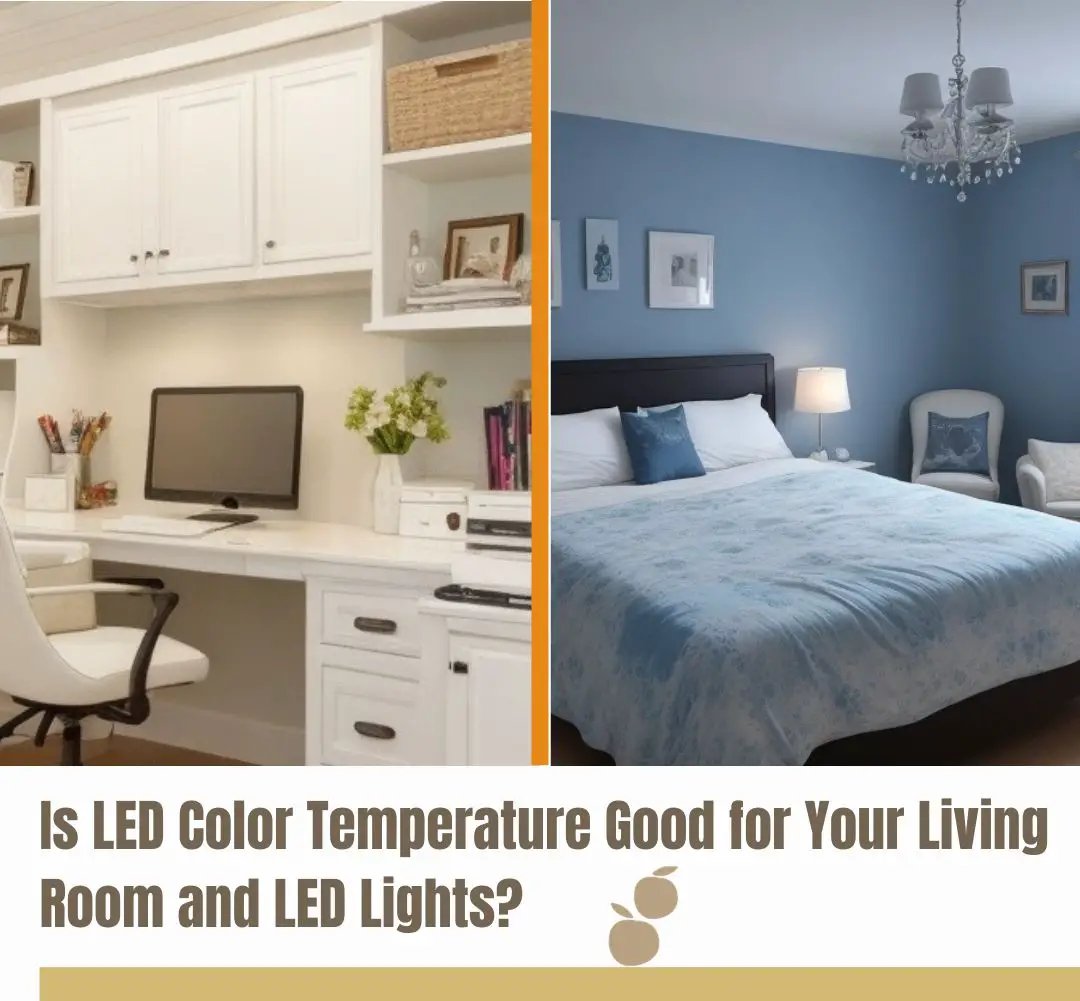
Using the wrong color temperature in specific settings can lead to discomfort. For instance, a cool white LED may not be ideal for a bedroom where warm, soothing lighting is preferred. Similarly, Warm Color temperatures may not be ideal for Places like Study rooms and home offices.
Cost:
While LED bulbs are cost-effective in the long run, their initial purchase price is often higher than traditional bulbs. This can deter some consumers, despite the long-term savings.
| Aspect | LED color temperature |
|---|---|
| Customizable Ambiance | Excellent |
| Energy Efficiency | Excellent |
| Longevity | Excellent |
| Initial Confusion | Moderate |
| Inappropriate Use | Can be problematic |
| Cost | Initial investment |
How does LED color temperature affect the ambiance of a room?
LED color temperature has a profound impact on the ambiance of a room, and here’s how it works:
As if you were entering a bedroom with an overabundance of bright light that made it feel like you were in a factory. So, LED color temperature is very important in these cases, But it is also important to choose the right color temperature for that particular space.
LED color temperatures can be divided into three types:
Warm Lighting
It mostly ranges between 2700K and 3300K, providing a warm and cozy experience. These Lights should be placed in places where you want to relax, like your bedroom.

Cool Lighting
It mostly ranges from 4000K or above, providing a cool, bluish environment specific for focused tasks like study and office work. So, these Lights can be useful in Offices, kitchens, and study rooms.
Neutral lighting
3500K to 4000K is considered the Neutral Color temperature for LED lights. This is middle-range lighting for the room that provides a white tone of Light.
What is the best LED color temperature for a living room?
2700K is considered the optimal color temperature for a living room. The living room is a place for relaxing, warm lighting is the best option for the living room.
Let’s dive deeper into why 2700K is considered the optimal LED color temperature for a living room:
Creating a Cozy Retreat:
Your living room is your sanctuary, a place to unwind and spend quality time with loved ones. The warm embrace of 2700K lighting sets the perfect stage for relaxation. It bathes your space in a gentle, inviting glow that’s akin to the soft light of a cozy fireplace. This warm ambiance helps create a welcoming and comfortable atmosphere, making your living room the ideal spot for lounging, reading, or enjoying a movie night.
Must Read: Choosing the best color temperature for bedroom lighting
Enhancing Comfort:
Warm lighting has a unique way of making a room feel more comfortable. It’s like a warm blanket for your eyes. When you enter your living room with 2700K lighting, it’s almost like a sigh of relief, signaling to your brain that it’s time to unwind and de-stress. This comfort factor is especially important after a long day at work or when you have guests over, as it promotes relaxation and encourages conversation.
Accentuating Décor:
The soft, warm glow of 2700K lighting has a bonus—it complements your living room’s décor beautifully. It can make wood tones richer, create a welcoming ambiance for artwork and decorations, and even make your furniture and upholstery appear more inviting and appealing. It’s the secret sauce that ties everything together, enhancing the overall aesthetics of your living room.

Versatility for Different Activities:
A living room isn’t just for one activity; it serves many purposes. Whether you’re reading a book, watching TV, or having a heartfelt conversation, 2700K lighting is versatile enough to adapt. It provides ample illumination without being too harsh, making it suitable for various activities without compromising on that cozy atmosphere.
Can LED color temperature impact mood and productivity?
LED color temperature can indeed impact mood and productivity.
Let’s explore how:
Mood Enhancement:
Warm vs. Cool Tones:
LED color temperature on the warm end of the spectrum (around 2700K) tends to create a cozy and soothing atmosphere. It can evoke feelings of comfort, relaxation, and intimacy. This makes it ideal for spaces where you want to unwind, such as bedrooms and living rooms.
Cooler Tones for Energy:
On the other hand, cooler LED color temperatures (5000K and above) emit a bright, white light that can energize a room. This cooler light mimics daylight and can help improve alertness and mood. It’s great for spaces where you need to stay focused and productive, like offices and kitchens.
Must read: What is the best color temperature for kitchen lighting?
Productivity Boost:
Task-Oriented Lighting:
In workspaces, the right LED color temperature can significantly impact productivity. Cooler temperatures with a higher Kelvin value (around 5000K) are often preferred for tasks that require concentration, such as reading, studying, or working on a computer. This type of lighting can reduce eye strain and improve focus.
Must Read: Choosing the best color temperature for home office lighting.
Daylight Simulation:
LEDs with color temperatures around 6500K are close to natural daylight. They can help regulate circadian rhythms, keeping you more alert during the day and potentially improving sleep patterns at night. This can be especially useful in offices and areas where people need to maintain a consistent daily schedule.
Mood Elevation:
The psychological impact of lighting shouldn’t be underestimated. Bright, cool light can help combat feelings of drowsiness and enhance productivity. However, it’s essential to strike the right balance, as excessively bright lighting can lead to discomfort and glare.

Can you Change the LED color temperature?
Yes, you can change the LED color temperature. Changing LED color temperature can be easy and difficult at the same time. But One of the easiest ways to change the color temperature of your space is by changing the LED bulb.
Conclusion
In conclusion, LED color temperature is a critical factor in creating the perfect lighting ambiance for your living spaces. It offers a wide range of benefits, including versatility, energy efficiency, a long lifespan, and exceptional light quality. However, the suitability of LED color temperatures depends on how and where you use them.
To optimize the lighting in your living room, 2700K is considered the optimal color temperature. It creates a cozy and inviting atmosphere, enhancing comfort and complementing your room’s décor. Whether you’re relaxing, reading, or entertaining guests, 2700K lighting sets the ideal mood.
LED color temperature also has a significant impact on mood and productivity. Warmer tones promote relaxation, while cooler tones energize and enhance focus. Choosing the right color temperature for different spaces can contribute to your well-being and efficiency.
Frequently Asked Questions
Can the LED color temperature be adjusted?
Yes, LED color temperature can be adjusted by changing the LED bulbs to ones with the desired Kelvin rating. Additionally, smart LED bulbs and color-changing fixtures offer more flexibility in adjusting color temperatures.
What is the best-LED color temperature for a bedroom?
For a bedroom, a warm color temperature between 2700K and 3300K is ideal. It creates a cozy and relaxing atmosphere conducive to rest and sleep.
Are LED lights energy-efficient?
Yes, LED lights are highly energy-efficient. They convert a significant portion of the energy they consume into visible light, minimizing energy wastage as heat.
Can LED color temperature affect sleep patterns?
Yes, LED color temperature can affect sleep patterns. Cooler temperatures (around 5000K) can help regulate circadian rhythms, keeping you more alert during the day and potentially improving sleep patterns at night.
Are there any environmental benefits to using LED lights?
Yes, LED lights are environmentally friendly. They consume less energy, leading to reduced greenhouse gas emissions. Additionally, LED lights do not contain hazardous materials like mercury, making them safer to dispose of and less harmful to the environment.