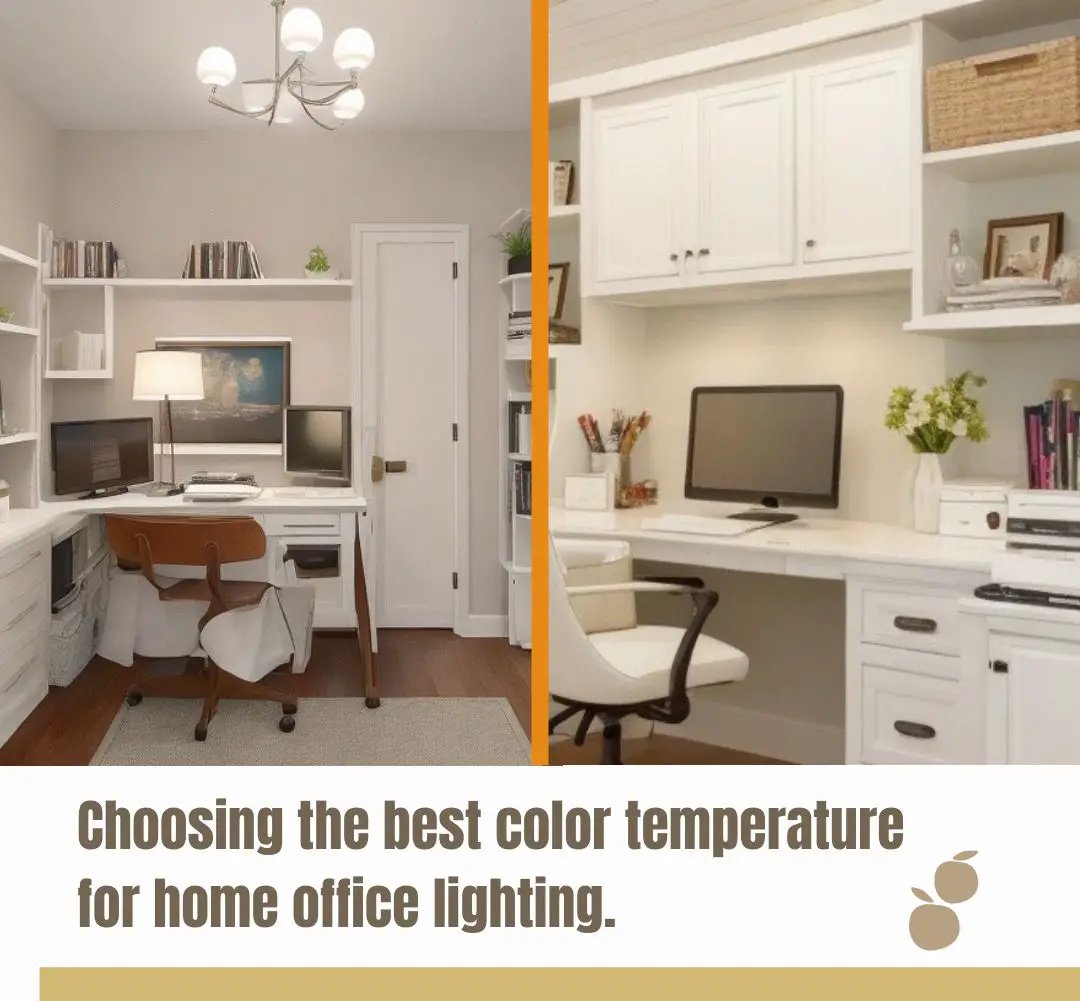
You want to set up a home office or a place where you can study. A lot of people nowadays work and study remotely, so the significance of lighting in home offices cannot be overstated. One crucial aspect of lighting that greatly impacts productivity and focus is color temperature.
But, you are struggling to find the best color temperature for home office lighting and also for working on a computer or studying.
No Worries I’ve got you covered.
Color temperature has a major role in creating an ambiance and mood for your environment. In this article, I will discuss LED lights, every color temperature range, and which color temperature you should choose for office lighting or productivity.
So, let’s get into it without wasting any further time.
What is LED lighting?
LED technology is energy-efficient and has transformed the lighting industry, surpassing traditional incandescent and fluorescent lighting.
Advantages of LED Lighting
LED lights offer numerous advantages Here are some of their best advantages.
- Energy efficiency
- Longevity
- Instant illumination
- Low heat emission
Understanding Color Temperature
Color temperature is the warmness and coolness of any Lighting. You have seen a lot of light that creates a warm experience as well as a cool experience. Color temperature is measured by a unit called Kelvin (K). The value of this unit measures how cool or warm the light is.
Types of Color Temperature
The color temperature can be divided into three main types.
- Warm Lighting
- Neutral Lighting
- Cool lighting
Warm Lighting
Warm lighting creates a cozy and inviting atmosphere that can make any space feel relaxed. It enhances the room’s overall ambiance by creating a warm and comfortable atmosphere.
This is because warm lighting has a color temperature of around 2700K to 3000 K, which is similar to the color of fire and the light of a candle. This temperature range emits a warm, comforting yellow light.
Must Read: Choosing the best color temperature for bedroom lighting
Neutral Lighting
This neutral light’s Color temperature ranges from 3000K to 3800K. It provides a range of lighting options suitable for various preferences and is neither too warm nor too cool.
Must Read: What is the best color temperature for living room lighting?
This type of lighting is often used in settings where accurate color rendition is important, such as workspaces and hospitals. The color temperature of neutral lighting can vary based on the specific lighting fixture or bulb.
Cool Lighting
Color lighting, with a temperature range of 4000K to 6000K, is specially crafted for task-oriented spaces. The bright and cool light creates a focused atmosphere, perfect for workspaces and areas that require attention to detail.
It is best for areas like offices, study rooms, laboratories, and workshops—places where precision and concentration are necessary for effective work.
Why is color temperature important for LED office lighting?
Color temperature is essential for LED office lighting for several important reasons:
Visual Comfort:
The color temperature of lighting significantly affects visual comfort in office spaces. LED lights with the right color temperature can reduce eye strain and discomfort, promoting a more pleasant and productive work environment.
Circadian Rhythms:
The color temperature of lighting can influence our circadian rhythms, which regulate our sleep-wake cycles and overall well-being. In an office setting, it’s crucial to have lighting that supports a balanced circadian rhythm to keep employees alert during the day and help them relax in the evening.
Task Performance:
Different tasks in an office require different lighting conditions. For example, tasks involving reading or detail-oriented work may benefit from cooler, daylight-like lighting (higher color temperature), while warmer lighting (lower color temperature) can be more suitable for relaxation areas or collaborative spaces. The ability to adjust color temperature in LED lighting allows for flexibility in meeting these needs.
Mood and Productivity:
The color temperature of lighting can influence the mood and productivity of office workers. Cool white light can promote alertness and focus, while warmer light can create a more relaxed and inviting atmosphere. Being able to adapt the color temperature can help set the desired tone for different areas within an office.
Energy Efficiency:
LED lighting is known for its energy efficiency, and color temperature plays a role in this aspect as well. LEDs with cooler color temperatures tend to consume slightly less energy than those with warmer color temperatures. Therefore, choosing the right color temperature can contribute to energy savings in the long run.

Aesthetic Appeal:
Color temperature also impacts the overall aesthetics of an office space. The choice of warm or cool lighting can affect how the space looks and feels, influencing the impression it makes on clients, visitors, and employees.
Health and Well-Being:
The right color temperature can positively impact the health and well-being of office occupants. Balanced color temperatures that mimic natural daylight can help regulate sleep patterns and reduce the risk of disruptions to the body’s internal clock.
The Science Behind Productivity and Lighting
Proper lighting in a workspace is not just about illuminating the area. It also has a significant impact on our productivity. To understand why selecting the appropriate LED color temperature is critical, let’s dive into the science behind it.
Circadian Rhythms and Lighting
Our bodies follow circadian rhythms that regulate sleep-wake cycles and are heavily influenced by light exposure. Here is how it works:
Light and Sleep Patterns: Natural Sunlight:
Exposure to natural sunlight during the day helps regulate our circadian rhythm, telling our bodies it’s time to be awake and alert.
It is important to spend time outside, even if it is only for a few minutes. The morning sun boosts energy while avoiding it at night improves sleep. Outdoor activities have many health benefits.
It is important to note that spending time outside has many benefits for both physical and mental health, making it an essential part of a healthy lifestyle.

Blue Light:
Exposure to blue light, particularly in daylight, can significantly disrupt our sleep cycle by keeping us awake. It suppresses the production of melatonin, the hormone responsible for making us feel sleepy. This results in decreased drowsiness and heightened alertness.
Warm Light:
Warm, soft lighting in the evening helps us wind down. It mimics the warm hues of the sunset, which signals our brain to start producing melatonin, the hormone that helps us fall asleep more easily and enjoy a peaceful night’s rest.
The best color temperature for home office lighting
Now that we understand how light can impact our circadian rhythms, let’s explore how LED color temperature can be tailored to various activities in your home office and study.
Task-Based Lighting
Reading (4000K-4500K)
Imagine you’re engrossed in a good book or poring over important documents. For tasks like reading that demand precision, lighting in the range of 4000K to 4500K is optimal. This cool, white light enhances contrast, making text sharp and clear. It prevents eye strain, allowing you to read for longer periods of time comfortably.

Computer Work (5000K–6500K)
Many of us spend hours in front of computer screens. The cool, bluish light in the 5000K to 6500K range is ideal for this. It reduces eye strain, enhances focus, and keeps you alert. Studies have shown that the right color temperature can increase productivity by up to 20%, making it a critical choice for your home office.
Recommended: What is the best color temperature for kitchen lighting?
Relaxation (2700K-3000K)
After a long day of work, it’s essential to wind down. Softer, warmer light in the range of 2700K to 3000K creates a cozy atmosphere that helps your body prepare for sleep. It’s perfect for relaxation, reading for pleasure, or simply enjoying a calm evening. This type of lighting can significantly improve your sleep quality, leading to better overall productivity the next day.
Tips for choosing the Right lighting for your home office
Choosing the right lighting for your home office is crucial for productivity, comfort, and aesthetics. Here are some practical tips for selecting lighting fixtures and bulbs, along with insights into cost-effective options:
Assess Your Needs:
- Start by understanding what you’ll be doing in your home office and how much light you’ll need. Think about tasks like reading, working on a computer, or general room lighting.
Adjustable Lighting:
- Look for lighting fixtures and bulbs that you can adjust. This way, you can change the brightness and color to match different tasks or your mood.
Task Lighting:
For an optimal workspace, it’s important to have proper lighting. An adjustable desk lamp can help you achieve this.
Ambient Lighting:
- Balance your task lighting with overall room lighting. Overhead lights or hanging lamps can provide a pleasant atmosphere.
Natural Light:
- If you can, set up your workspace near a window. Natural light is not only free, but it also boosts your mood and productivity.
Choose LED Bulbs:
- LED bulbs are efficient and long-lasting. They save energy and come in different colors to suit your preferences.
Good Color Quality:
- Pick bulbs with a high CRI (Color Rendering Index) for accurate colors. This is important for tasks like art or design.
Energy-Efficient Options:
Dimmer Switches:
Dimmer Switches can help you create the perfect atmosphere in your workspace while conserving energy and reducing the amount of electricity used. Not only can dimming the lights help minimize glare and eye strain, but it can also make it easier for you to focus on your work.

Smart Lighting:
Smart lights can be controlled with your phone or voice commands. They’re convenient, and they can help you customize your lighting.
Budget-Friendly Choices:
If you’re on a budget, think about:
- CFL bulbs: These are more efficient than regular bulbs.
- Secondhand fixtures: Look for deals online or in thrift stores.
- DIY projects: Get creative with simple DIY lighting solutions.
Proper Placement:
When installing lights in your workspace, it’s essential to place them correctly so that they don’t cause glare or shadows. Doing so will help prevent eye strain and other discomforts that may interfere with your productivity.
Maintenance and Lifespan:
It is important to consider the frequency of bulb replacements and the durability of the fixtures when buying light fixtures. Choosing LED bulbs can be a smart decision, as they typically need less maintenance and have a longer lifespan than traditional bulbs.
The ideal Color temperatures for the home office
Numerous aspects, including personal tastes and the sort of work being done, must be considered when determining the ideal color temperature for home office lighting.
Cool Lighting (5000K-6000K)
Cool white lighting is well-known for its bright and invigorating effect, with color temperatures ranging from 5000K to 6500K. It mimics natural light and can help boost alertness and attentiveness. This color temperature is suitable for jobs that need a lot of concentration and precision, such as graphic design or data processing. It may be too harsh or clinical for some people; therefore, it may not be suitable for everyone.
Daylight Lighting
The color temperature of daylight white spans between 4000K and 5000K. It has a balanced and neutral tone and generates a natural and comfortable lighting environment. This sort of lighting is appropriate for most office work and is frequently recommended for general office environments since it fosters a sense of serenity and productivity.
Neutral Lighting
Neutral white lighting, with a color temperature ranging from 3500K to 4000K, gives a slightly warm tone while still keeping a neutral ambiance. It offers a pleasant and friendly ambiance, making it ideal for jobs that demand a relaxed setting or for creative work. This color temperature can also assist in reducing eye strain and improve the overall working experience.

Warm Lighting:
Remember that beautiful White illumination, which ranges from 2700K to 3500K, can produce a nice and serene ambiance when choosing the color temperature for your home office lighting. As a result, it is ideal for jobs that need concentration, such as reading or brainstorming. It may not be the best solution for tasks that require a high level of focus or precision.
It is advisable to try out various color temperatures to determine the one that suits your requirements and preferences the best. You can observe the effect of different color temperatures on your mood and productivity. Also, consider installing adjustable lighting fixtures or smart bulbs that allow you to customize the color temperature throughout the day based on your needs. This will aid in creating a comfortable and productive environment in your home office.
It is crucial to keep in mind that the lighting arrangement in your workspace should aid your work and enhance your well-being. With the help of identifying the perfect color temperature for your home office, you can establish an atmosphere that promotes focus, productivity, and an optimistic working environment.
Conclusion
To create a comfortable and productive home office, it’s important to understand the principles of LED lighting, color temperature, and ergonomic design. Personal preferences are a significant factor to consider when selecting the appropriate LED color temperature. Don’t hesitate to experiment and seek expert advice if needed. Proper lighting not only enhances your work and study experience but also improves your overall well-being. Therefore, it’s crucial to pay attention to these details.
FaQs
Can I use LED color-changing bulbs for my home office?
Certainly! LED color-changing bulbs allow you to switch between different color temperatures, providing flexibility for various tasks.
Are there health benefits to using the right LED color temperature?
Yes, choosing the right LED color temperature can positively impact your sleep patterns, mood, and overall well-being by aligning with your circadian rhythms.
How do I clean and maintain my LED fixtures?
To maintain your LED fixtures, simply wipe them clean with a soft, dry cloth. Avoid using abrasive materials or cleaning agents.
What should I consider when buying LED fixtures for my home office?
When buying LED fixtures, consider factors like the fixture’s size, the color temperature it offers, and its compatibility with dimmers and smart home systems.
What Is the Best LED Color temperature for an Office with no windows?
For offices without windows, choose LED lighting with a cool white color temperature between 5000K and 6500K. This mimics natural daylight, creating a bright and productive atmosphere. Experiment and seek professional advice for the ideal lighting for your specific needs.