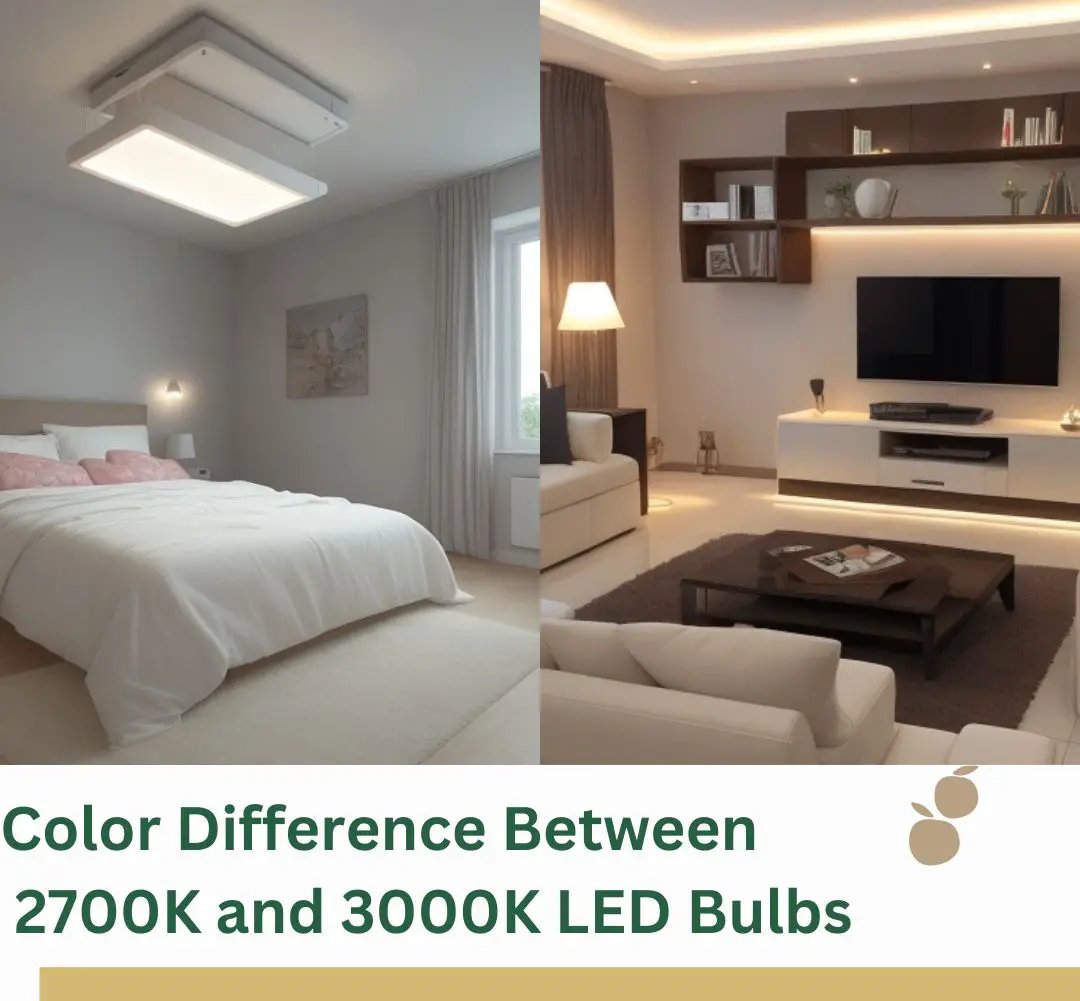
The difference in color temperature between 3000K and 2700K LED bulbs may appear small, but it can have a significant impact on the atmosphere and utility of your room.
You’ve probably questioned what distinguishes these two and whether you can tell them apart. You might be wondering what the difference between 2700K and 3000K is and which is better for your space.
In this article, I will explain the color difference between 2700K and 3000K and assist you in determining which is ideal for your purposes.
So let’s get Started and explore the differences between 2700K and 3000K LED bulbs.
What is the color temperature?
The color temperature of a bulb is a way of describing the appearance of the light that it emits when it is switched on. Light sources are measured in Kelvin (K) to determine warm or cool tones. The higher the Kelvin value, the cooler or bluer the light appears, while lower Kelvin values indicate warmer or yellower light.
Understanding Kelvin (K)
To put it simply, Kelvin (K) is like a secret code for light color. Imagine a spectrum where lower Kelvin values, around 2700K, resemble the warm, cozy glow of a candlelit dinner, while higher Kelvin values, around 3000K, mimic the crisp, white light of daylight. Understanding this scale is essential when choosing the right bulb for your space.
Color Difference Between 2700K and 3000K LED Bulbs
The Warm Lighting: 2700K Temperature
Imagine walking into a room bathed in the soft, golden glow of a 2700K LED bulb. It’s like being wrapped in a cozy blanket of light. These bulbs give off that warm, yellowish tone that’s reminiscent of the good old incandescent bulbs we all grew up with.
Now, why is this warm hue so special? Well, it’s all about setting the mood. 2700K LED bulbs are like the lighting equivalent of a warm hug. They create an atmosphere that’s perfect for unwinding after a long day.
It’s not just about the cozy factor, though. 2700K LED bulbs are energy-efficient, so you can enjoy that warm glow without worrying about a hefty electricity bill. Plus, they last longer than traditional incandescent bulbs, saving you money in the long run.
The Lighting of 3000K Temperature
3000K LED bulbs give off a kind of light that’s not too warm (like the yellowish light of an old-fashioned bulb) and not too cool (like the bluish light you might find in some office buildings). It’s somewhere in the middle—not too warm, not too cool—just right!
This “neutral white” light at 3000K makes the space look clean and well-lit. It’s like having sunlight indoors, and it’s great for tasks because it helps you see things clearly without straining your eyes.
Where to use 2700K LED Lights
2700K can be used in places where you want to relax or create a cozy environment. Here are some of my preferences:
Living Rooms:
Imagine your cozy living room, where you hang out with family and friends, maybe watching TV or playing games. You’d want a warm and inviting atmosphere, right? That’s where 2700K bulbs come in. They give off a soft, warm light that makes your living room feel super comfortable and welcoming. It’s like a gentle hug of light that enhances the cozy vibes during family gatherings.

Bedrooms:
Now, think about your bedroom—the place where you unwind after a long day and catch some Zzz. You wouldn’t want harsh, bright lights that make you feel like you’re in an office, right? 2700K bulbs are your sleep buddies. They create a calming, relaxing ambiance that helps your brain wind down. It’s like a warm, comforting blanket of light, perfect for setting the mood for a good night’s sleep.

Dining Rooms:
Picture a romantic dinner with your special someone or a lovely meal with your family. In your dining room, you want the lighting to be just right—not too bright to ruin the mood, and not too dim to read the menu. 2700K bulbs are like the candlelight of the modern age. They cast a warm, soft glow that sets a cozy, intimate mood for those memorable dinners with loved ones.

Where to use 3000K LED Lights
Let’s explore where 3000K bulbs are the ideal choice and why they work so well in these places.
Kitchens:
Think about your kitchen, where you whip up delicious meals or simply make your morning coffee. You need good lighting here to see what you’re doing, right? 3000K bulbs are like your kitchen’s secret ingredient. They provide bright and focused lighting that helps you chop veggies, read recipes, and cook with precision. It’s like having your own mini spotlight in the kitchen, making meal preparation a breeze.

Bathrooms:
Now, picture your bathroom—the place where you get ready in the morning, do your skincare routine, or take a relaxing bath. You want to see yourself clearly in the mirror, don’t you? 3000K bulbs are like your personal makeup artist. They create a clean and well-lit space, allowing you to groom, apply makeup, or shave with precision. It’s like having natural daylight indoors, ensuring you look your best before you step out.

Offices:
Imagine your home office or workspace, where you tackle tasks and projects. You need lighting that helps you stay focused and productive, right? 3000K bulbs are like productivity boosters. They promote concentration by providing a bright, clear light that reduces eye strain and helps you stay on track with your work. It’s like having your own taskmaster, keeping you in the zone.
To sum it up, 3000K bulbs are your go-to choice for places where you need sharp and focused lighting. They turn your kitchen into a culinary haven, your bathroom into a grooming sanctuary, and your office into a productivity powerhouse. These bulbs are all about making sure you have the right light to do your tasks effectively and comfortably.
How does the color temperature affect your mood?
Let’s break down how the color temperature of your lighting can affect the mood in a room.
Warmer Tones like 2700K:
Think of warm tones like the cozy glow of a fireplace or a soft, golden sunset. Lighting with a color temperature of 2700K can bring this warmth into a room. It’s like a warm hug for your space. When you have 2700K lighting, it often creates a sense of comfort and relaxation. It’s perfect for places where you want to unwind, like bedrooms and living rooms. This warm, gentle light can make you feel calm and cozy, setting the stage for relaxation and a good night’s sleep.
Cooler Tones like 3000K:
Now, picture the crisp, clear light of a bright morning or a well-lit office space. Cooler tones, around 3000K, can mimic this kind of light. It’s like a fresh burst of energy. When you have 3000K lighting, it can make a space feel more energetic and alert. It’s great for places where you need to stay focused and awake, like kitchens, bathrooms, or offices. This cooler light can help boost your mood, keep you alert, and enhance productivity.
The Impact on Energy Efficiency
In terms of energy efficiency, 2700K and 3000K LED bulbs are generally quite similar. Both use significantly less energy compared to traditional incandescent bulbs while providing the same amount of brightness. So, you can save on your energy bills without compromising on light quality.
Can You Easily Tell the Difference?
Now, here comes the big question: Can you easily tell the difference between 2700K and 3000K LED bulbs? The answer is yes, but it might not be as obvious as you think. In a side-by-side comparison, you can notice the variation in warmth and coolness, but in isolation, it might not be as noticeable.

Remember, lighting is subjective, and what matters most is how it complements your space and serves your needs.
Conclusion
In summary, the difference between 2700K and 3000K LED bulbs boils down to the color temperature and the mood they create. 2700K offers a warm, cozy glow, while 3000K provides a neutral, white light suitable for task-oriented areas. The choice ultimately depends on the ambiance you want to create and the specific requirements of your space.
Now that you’re more enlightened about these lighting options, let’s address some common questions that people often have about them.
FAQs
Q1: Which is better for reading, 2700K, or 3000K bulbs?
For reading, 3000K bulbs are generally preferred, as they provide a crisper and more focused light that’s easier on the eyes.
Q2: Can I use both 2700K and 3000K bulbs in the same room?
Yes, you can mix them for a layered lighting effect, but ensure they complement each other for a balanced ambiance.
Q3: Do 2700K bulbs consume less energy than 3000K bulbs?
No, their energy consumption is quite similar. Both are energy-efficient compared to incandescent bulbs.
Q4: Can I use 2700K bulbs in my office for a relaxed atmosphere?
While it’s possible, 2700K bulbs are better suited for areas where relaxation is the primary goal.
Q5: Are there any health benefits associated with 2700K or 3000K lighting?
Lighting can influence mood, but there are no significant health benefits tied to a specific color temperature. Choose what makes you feel comfortable.